
Ice Dams in Sterling Heights: What to Do When Water Gets Inside

Ryan Picklo
Ryan Picklo is at Response Flood & Fire, a restoration company in Rochester Hills, Michigan, working across Oakland, Macomb, St. Clair, Wayne and Lapeer counties. The company came out of construction, contracting and cleaning, so they read what water and soot have done behind the drywall rather than only what shows on the surface. Between them they have worked through thousands of insurance claims. He writes here about what actually happens on a restoration job, including the parts the industry would rather not explain.
Are you worried about ice dams in Sterling Heights? This article will help you figure that out. We are going to cover why they form, how to tell whether one has already leaked into your ceiling, what to do in the first few hours, how to take one down without ruining the roof, where the roofer's job ends and ours begins, and how your carrier is likely to see it. Let's get into it.
The thing to understand first is that an ice dam is a heat problem wearing a roofing costume. That single fact explains everything else on this page.
Ready to handle this with a pro?
You're reading about What causes ice dams on Sterling Heights roofs. Get a fast quote for water damage restoration service in Oakland County, MI from Response Flood & Fire.
Or call (866) 333-6424
What causes ice dams on Sterling Heights roofs?
Warm air escaping the attic melts snow from underneath
Heat leaks out of the living space into the attic, warms the roof deck, and melts the underside of the snow layer. That meltwater runs down the roof until it reaches the eave, which hangs past the heated part of the house and stays cold. There it refreezes.
The ridge of ice traps the next round of meltwater
Once that ridge exists, water pools behind it. Shingles shed water going downhill; they do not hold standing water. So the pool finds the seams, works sideways under the shingles and gets into the deck.
Icicles are not the same thing as an ice dam
Plenty of Sterling Heights houses grow icicles and never take on water. Icicles mean melt is happening. An ice dam means the melt is being held. Look for a thick band of ice sitting flat on the eave, not just spears hanging off the gutter.
How do you check whether ice dams in Sterling Heights have already leaked inside?
The ceiling stain shows up days late
Water tracks along framing before it saturates enough drywall to show. By the time you see a brown ring, it has been wet up there for a while. People routinely mistake that first faint stain for something else entirely.
Check the attic before you check the ceiling
Go up with a light and look at the underside of the roof deck near the eaves. Dark streaks, damp sheathing, matted or compressed insulation, frost on nail points. That is where the evidence is while the ceiling below still looks fine.
Look at the top of the exterior wall
Water that gets past the eave often runs down inside the wall rather than dropping through the ceiling. A damp patch at the top of an outside wall, or paint that has started to lift there, points at the same source.
What should you do when ice dams in Sterling Heights start leaking inside?
Get the water out of the ceiling deliberately
If a ceiling is bulging and holding water, that weight will come down on its own schedule. A small relief hole at the low point, with a bucket under it, drains it on yours. It feels wrong and it is the right call.
Move what is underneath and start air moving
Clear the room, pull up what you can, and get air circulating. A box fan pointed at the wet area buys time before the drying equipment arrives.
Do not go up on a snow-covered roof
More people get hurt on the roof than by the ice dam. Everything useful can be done from the ground or the attic.
Ready to handle this with a pro?
You're reading about How do you remove ice dams in Sterling Heights without wrecking the shingles. Get a fast quote for water damage restoration service in Oakland County, MI from Response Flood & Fire.
Or call (866) 333-6424
How do you remove ice dams in Sterling Heights without wrecking the shingles?
A roof rake from the ground is the safe first move
Pull the snow off the bottom three or four feet of roof. No snow means no meltwater, and the dam starves. Use one with wheels so the blade rides off the shingle surface.
Calcium chloride in a fabric sleeve melts a channel
Lay it across the dam so it cuts a vertical drain path. It relieves the pool without you attacking the ice. Use calcium chloride rather than rock salt, which is hard on metal and vegetation.
Never chip, never use a torch, never pressure wash
Chipping at ice on top of shingles takes the granules off, and sometimes the shingle. An open flame on a roof is exactly as bad as it sounds. Steam, used by crews who do this work, is the only method that removes a dam quickly without damaging the roof.
None of this is emergency work you should be doing in a storm. General winter storm preparation, including what to have on hand before the first freeze, is covered by Ready.gov's winter weather guidance.
Who handles ice dams in Sterling Heights, a roofer or a restoration crew?
The roof itself is a roofer's job
Removing the dam, repairing damaged shingles, adding ice and water shield, fixing ventilation and insulation so it stops recurring. That is roofing and insulation work. We do not do it and we will tell you so.
The water that got inside is ours
Wet insulation, soaked sheathing, saturated drywall, the wall cavity, the flooring below. That is water damage restoration, and it is what we are for.
Being clear about the split saves you money
Both trades often need to touch the same loss, and the sequencing matters. Get the water dried before the finishes go back, or you seal moisture into the assembly.
How do we dry the damage ice dams cause in a Sterling Heights home?
We map the wet area rather than guessing
Moisture meters and thermal imaging show the wet edge, which sits well past the visible stain almost every time. Cutting to the stain line leaves wet material in the wall.
Wet insulation comes out, it does not dry in place
Saturated batt insulation loses its R-value and holds water against the framing. It comes out. Blown-in in a soaked attic bay usually does too.
We dry the cavity before anything closes back up
Air movers and dehumidifiers, monitored until readings come down, then the rebuild. We handle both halves: drying out the ceiling and wall cavity, then rebuilding what had to come out. The walkthrough is free.
Ready to handle this with a pro?
You're reading about Does insurance cover damage from ice dams in Sterling Heights, MI. Get a fast quote for water damage restoration service in Oakland County, MI from Response Flood & Fire.
Or call (866) 333-6424
Does insurance cover damage from ice dams in Sterling Heights, MI?
Interior damage is usually covered, the roof often is not
The common outcome is that the water damage inside gets paid and the roof repair does not, because the roof is treated as maintenance. That split surprises people, so ask about it directly rather than assuming.
Some policies name ice damming as an excluded peril
It appears in the form on certain policies, and homeowners tend to find out at the denial rather than at purchase. Read yours before winter.
Your duty to mitigate starts when you notice
Once you know water is coming in, you are expected to act. Photograph the ice, the attic, the ceiling and the wall before anything is cleaned or removed, and keep receipts for anything you do to limit the damage. The Michigan Department of Insurance and Financial Services is the place to check a policy question.
How do you prevent ice dams in Sterling Heights next winter?
Air sealing beats insulation, and insulation beats heat cable
Seal the leaks where warm air escapes into the attic: top plates, recessed lights, the attic hatch, bath fan ducts. Then insulate. Heat cable is a last-resort management tool, not a fix.
Ventilation keeps the deck the same temperature as the air
Soffit intake and ridge exhaust, working together and not blocked by insulation stuffed into the eaves. A cold deck cannot melt snow from below.
Rake the eaves after heavy snow
Low effort, immediate effect, and it costs nothing. If you do one thing on this list in January, do this one.
What drives the repair cost once water is inside
The size of the wet area drives it.
One ceiling bay is a different job from a whole upstairs. What matters is how far the water traveled once it got past the eave, not how big the ice was.
Wet insulation and cavity drying add more than the drywall.
People price the visible ceiling patch and are surprised by the rest. Removing saturated insulation, drying the cavity and confirming readings is usually the larger share of the work.
How long it sat changes the number.
Water found the same week is a drying job. Water discovered in March after sitting since January is a drying job plus microbial remediation plus more demolition, because material that stayed wet does not come back.
The roof repair is a separate budget.
Because your carrier may treat the interior damage and the roof differently, get the two priced separately. It keeps a coverage conversation from turning into a single confusing number.
A dam on the eave is a warning, not proof of a leak.
Plenty of dams form, sit there through a cold snap and drain when the weather turns. Finding one is a reason to check the attic, not a reason to assume the ceiling is already wet.
The attic tells you within ten minutes.
Look at the deck near the eaves for staining and at the insulation for compression or damp. Dry sheathing and dry insulation means the dam has not beaten the roof yet.
If it has not leaked, you have time to do it properly.
That means raking the snow, relieving the dam, and planning the air sealing and ventilation work for spring rather than paying emergency rates in January.
A second opinion is reasonable before demolition.
If a crew wants to open a large area of ceiling on day one, ask to see the moisture readings that justify it. Thermal imaging and a meter should agree before anything is cut. Good crews expect that question and answer it with numbers.
Gutters are not the cause, and cleaning them will not fix it
This comes up every winter. Clogged gutters make the mess worse and they are worth clearing, but a perfectly clean gutter on a warm roof still grows a dam. The heat leaving your attic is the cause. Anyone selling gutter work as an ice dam fix is solving the wrong problem.
Who do you call about ice dams in Sterling Heights?
If water is coming inside, call us. Our line is answered 24 hours a day, 365 days a year, and we are typically on site in about an hour. If the dam itself needs to come off the roof, we will say so and tell you what to ask a roofer.
Water gets worse the longer it sits, so the sooner we hear from you, the more of the ceiling and wall we keep. The walkthrough is free, and financing is available if you need it. What we will not do is quote you a final number before we have opened the wall.
We cover Sterling Heights and the surrounding communities across Oakland, Macomb, St. Clair, Wayne and Lapeer counties.
Related Posts
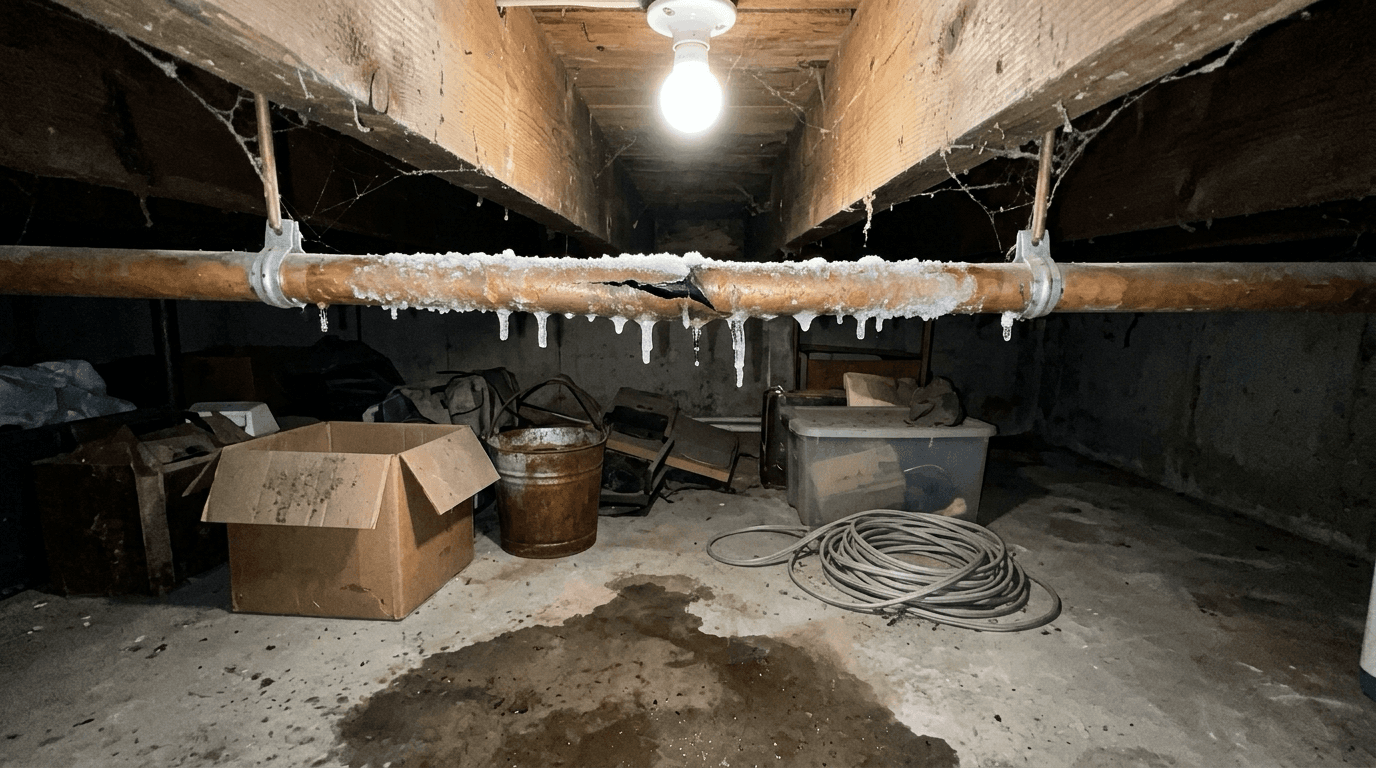
Frozen Pipes in Troy, MI: How to Thaw One Before It Bursts
Frozen pipes in Troy, MI do not have to become burst pipes. How to spot them, thaw one safely, and know when to stop and call for help.
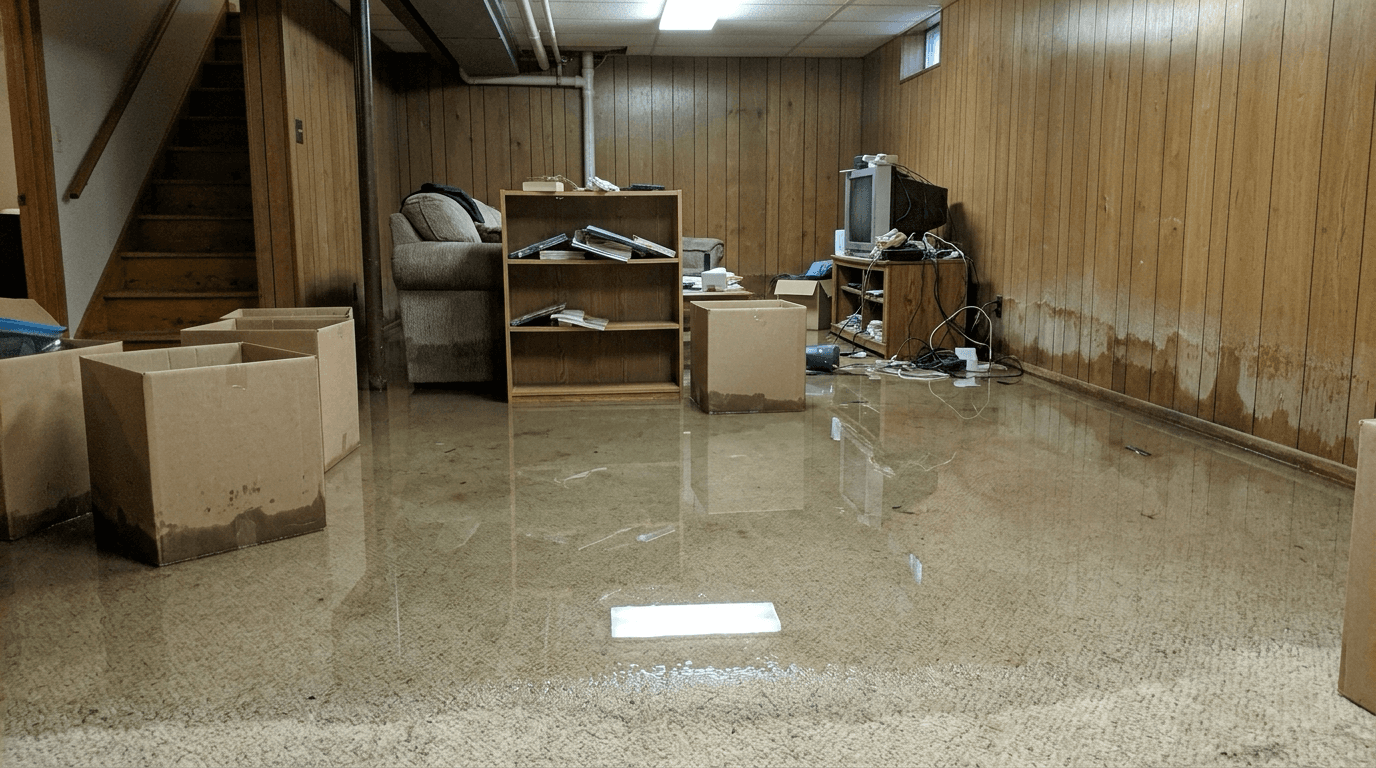
Basement Flooding in Warren, MI: What to Do First
Basement flooding in Warren, MI starts with three checks before you touch the water. How to tell sewage from clean water, find the entry path, and document it.
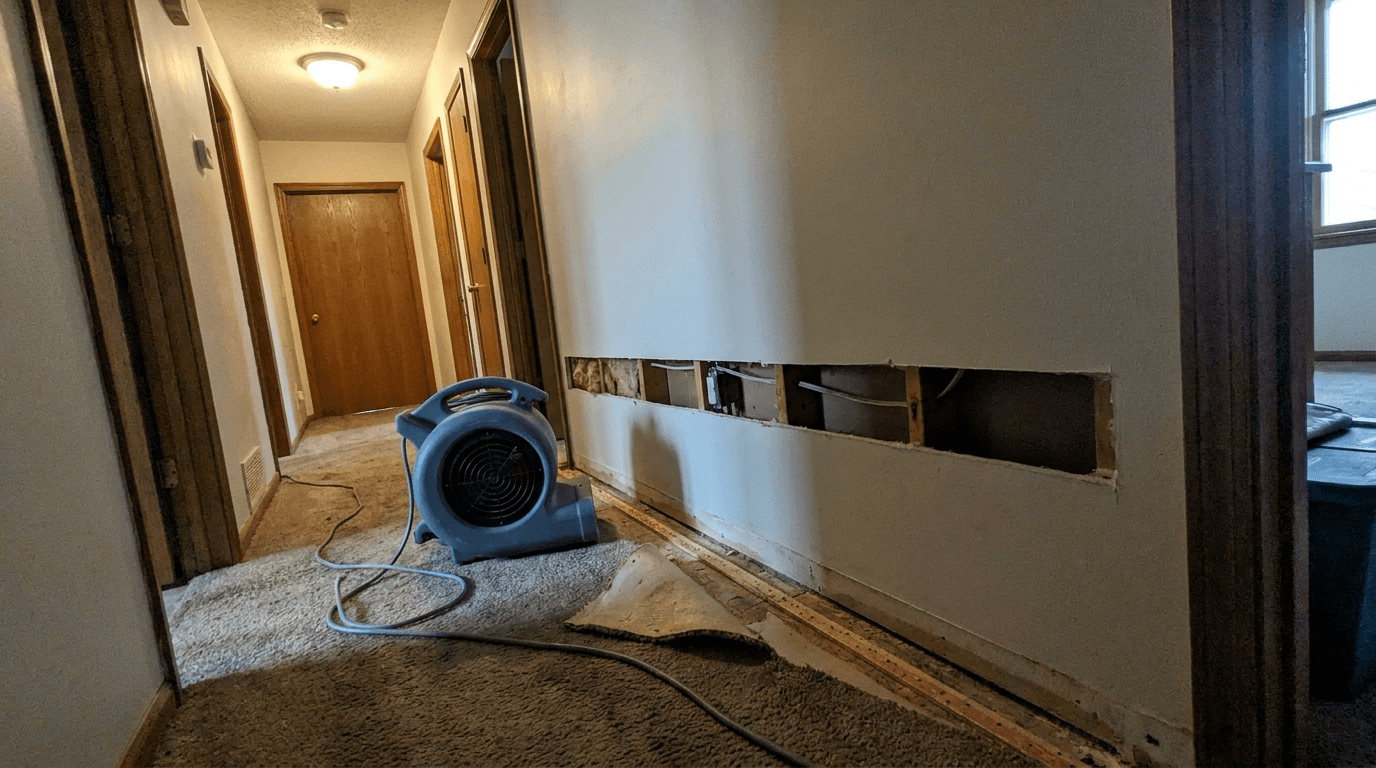
Does Homeowners Insurance Cover Water Damage in Novi, MI?
Homeowners insurance and water damage in Novi, MI: what is covered, what is excluded, why claims get denied, and what an adjuster wants to see.
Tell us about your Water Damage Restoration needs in Oakland County, MI
Looking for Water Damage Restoration in Oakland County, MI? Tell our team what you need and we will help you understand the next step.
Speak with the Response Flood & Fire team now
Call for immediate assistance and service.