
Does Homeowners Insurance Cover Mold in Birmingham?

Ryan Picklo
Ryan Picklo is at Response Flood & Fire, a restoration company in Rochester Hills, Michigan, working across Oakland, Macomb, St. Clair, Wayne and Lapeer counties. The company came out of construction, contracting and cleaning, so they read what water and soot have done behind the drywall rather than only what shows on the surface. Between them they have worked through thousands of insurance claims. He writes here about what actually happens on a restoration job, including the parts the industry would rather not explain.
Homeowners insurance usually covers mold in a Birmingham, Michigan home only when the mold grows out of a sudden, accidental event the policy covers, such as a burst pipe, and mold coverage is often limited even then (Progressive). Mold from a slow leak, or mold that has been growing for weeks, likely is not covered.
Should you tell your insurer about mold? If it traces to a sudden leak, yes, and soon. The standard homeowners form, ISO's HO 3, lists giving prompt notice and protecting the property from further damage among your duties after a loss.
That answer comes from your policy's wording, not your street address, so this post walks through the clauses that decide it. For what removing mold actually involves, see our mold remediation page; the question here is who pays.
Ready to handle this with a pro?
You're reading about When Does Homeowners Insurance Pay for Mold in Birmingham. Get a fast quote for water damage restoration service in Oakland County, MI from Response Flood & Fire.
Or call (866) 333-6424
When Does Homeowners Insurance Pay for Mold in Birmingham?
Usually when the mold is part of the damage from a sudden, accidental water event your policy covers. For example, a water heater bursts and floods part of a finished basement, or a supply line splits behind a dishwasher, and mold starts in the wet drywall and flooring before it can be dried.
Mold that follows the water used to put out a house fire may be covered too, and our Clinton Township house fire guide walks through the first week after a fire.
What falls outside is mold from an ongoing problem rather than one event. A pipe that leaks under a kitchen sink for months, or a window that lets rain seep in over time, counts as neglect, and mold claims from neglect likely won't be covered. Mold from a room that stays damp, such as a bathroom without a working fan, is an ongoing issue too, and insurance typically does not pay to remove it.
A leak that runs for weeks lands on the wrong side of that line. Our Novi guide to slow leaks and water damage claims explains how that line is drawn and when a smaller claim is worth filing.
On a mold claim, the timeline is what you have to show. Keep the part that failed, the plumber's invoice that names it, and photos from the day you found the water. Mold that has already spread across a wall can read as older than the leak you are reporting.
Fixing small leaks the day you find them keeps them from turning into the kind of mold a policy leaves out.
Does Homeowners Insurance Cover Mold Hidden Inside Walls in Birmingham?
On the standard homeowners form, yes, in one specific case. The form leaves out mold, fungus and wet rot, then makes an exception for mold hidden within the walls or ceilings, beneath the floors or above the ceilings, when it results from an accidental discharge or overflow of water or steam from a plumbing, heating, air conditioning or automatic fire protective sprinkler system, or a household appliance, on your property. The same exception covers hidden mold from a storm drain or a water, steam or sewer pipe off your property.
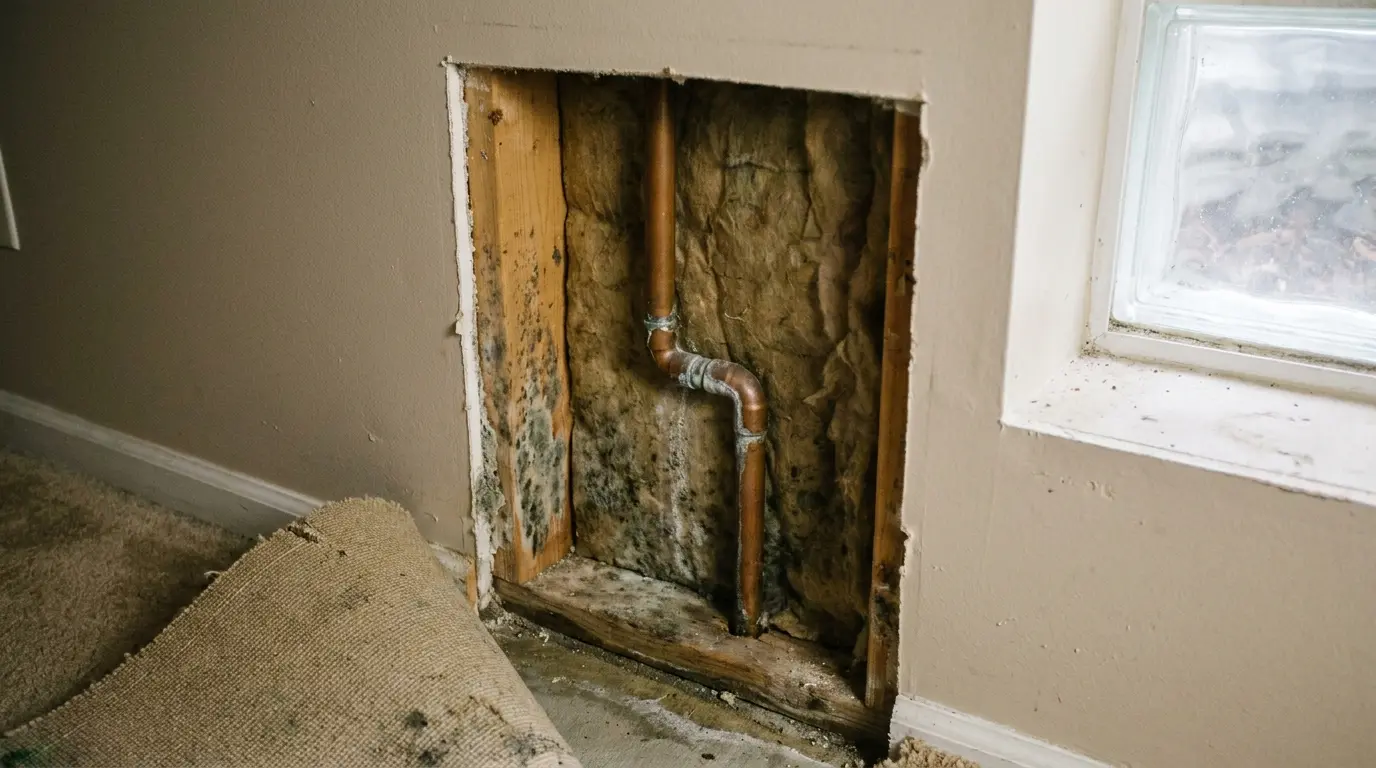
For example, a supply line that splits inside a bathroom wall can leave mold nobody sees until the drywall comes off. That is the case this exception describes.
Mold in plain view, like a patch on a basement wall or a bathroom ceiling, falls outside this exception, so how it is handled depends on your own policy and any mold limit it carries.
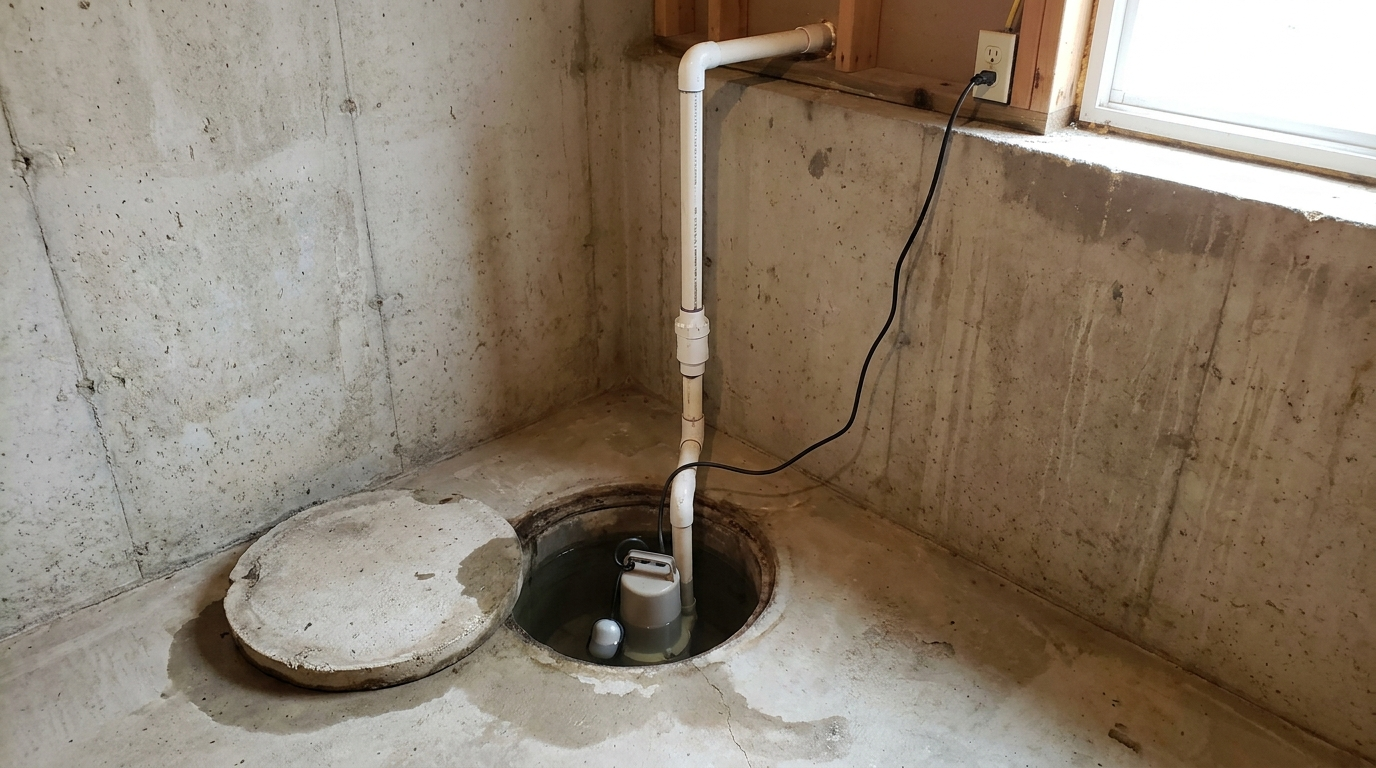
The same clause draws a line that matters in a Birmingham basement with a sump pit. For this purpose, the form excludes a sump, sump pump or related equipment, and a roof drain, gutter, downspout or similar fixtures, from what counts as a plumbing system or household appliance. So on the standard form, mold hidden behind a finished basement wall after a sump pump fails does not fit the exception.
If mold turns up when a wall is opened, photograph the cavity, the pipe and any water stain before anything is cleaned or thrown out. The source is what ties the mold to the exception.
Your own policy may not use this exact wording. Read its mold clause, and check the declarations page for any mold or fungi limit and the endorsements attached to your policy.
Can Birmingham Homeowners Add Mold Coverage to Their Policy?
Partly. Water backup coverage could help with some mold, and your insurer can tell you what else it sells, but each add-on has its own wording. Start with what you already have: look for a separate mold or fungi limit in your policy, because that limit can cap a mold payment even when the cause is covered.
If your Birmingham home has a sump pump, the first add-on to ask about is water backup coverage. Adding it could help cover mold that results from water backing up into the home or a sump pump malfunction. That matters because, on the standard form, the hidden-mold exception does not reach a sump.
For example, the sump pump quits during a spring storm and water soaks the bottom of a finished basement wall. The hidden-mold exception would not answer that loss on the standard form, so water backup coverage, and whatever it says about mold, is the part of the policy to read.
Then ask your agent a few direct questions:
Does my policy have a separate mold or fungi limit, and what is it?
Does my water backup coverage include sump pump overflow, and does it say anything about mold?
Do you sell an endorsement that adds mold coverage or raises the limit, and what has to cause the mold for it to pay?
That last question matters most. An add-on that still needs a covered cause is unlikely to pay for mold from damp air or a slow leak, so read the endorsement itself rather than a summary of it.
Add coverage before you need it. The standard form applies only to loss that occurs during the policy period, so an add-on bought after mold shows up is unlikely to reach mold that was already growing.
Ready to handle this with a pro?
You're reading about Does Flood Insurance Cover Mold After a Basement Flood in Birmingham. Get a fast quote for water damage restoration service in Oakland County, MI from Response Flood & Fire.
Or call (866) 333-6424
Does Flood Insurance Cover Mold After a Basement Flood in Birmingham?
Only in narrow cases, and the standard homeowners form does not fill the gap. It excludes flood and surface water, and also water that backs up through sewers or drains or overflows from a sump. Mold after true flooding, meaning surface water from outside, is a question for a flood policy if you carry one.
A flood policy from the National Flood Insurance Program excludes water, moisture, mildew or mold damage that results primarily from a condition within your control, including failure to inspect and maintain the property after a flood recedes (the flood policy's text).
Mold damage may still be covered if you could not get to the house: when a legally authorized official banned entry to the area, or when floodwaters stayed around the home or in the area and kept you from inspecting and maintaining it (FEMA's 2018 fact sheet for flood policyholders). So once the water goes down and you can get in, the drying clock is yours. If you could not get in, keep a record of why and for how long, such as the closed road or the order to stay out.
If a heavy storm put water in your Birmingham basement, how it got in decides which coverage you look at. Water that rose from outside points to a flood policy, and water that came up a floor drain or out of a sump points to water backup coverage, if you have it.
Our Warren basement flooding guide covers the first steps in order, starting with power and gas, then how to tell sewage from clean water and what to photograph before anything leaves the house.
Who Pays for Mold Found After a Water Claim Closes in Birmingham?
It depends on whether the mold can be tied to the original covered loss. Start with the insurer that handled the water claim. If the new mold sits where the earlier water went, ask the adjuster whether it can be handled as part of that original loss. If the insurer treats it as a separate problem, it falls under your policy's mold terms, and part or all of the cost may land on you.
Mold that turns up weeks after a claim closes can mean something stayed wet after the dry-out: a wall cavity, the underside of a floor, or insulation behind a finished basement wall. Timing matters here: the EPA advises drying water-damaged areas and items within 24 to 48 hours to prevent mold growth.
The record that helps most is the drying log: the moisture readings taken through the job, and the date each area read dry before walls and floors were closed back up. Ask whoever dried your home for those readings, and keep them with your claim papers.
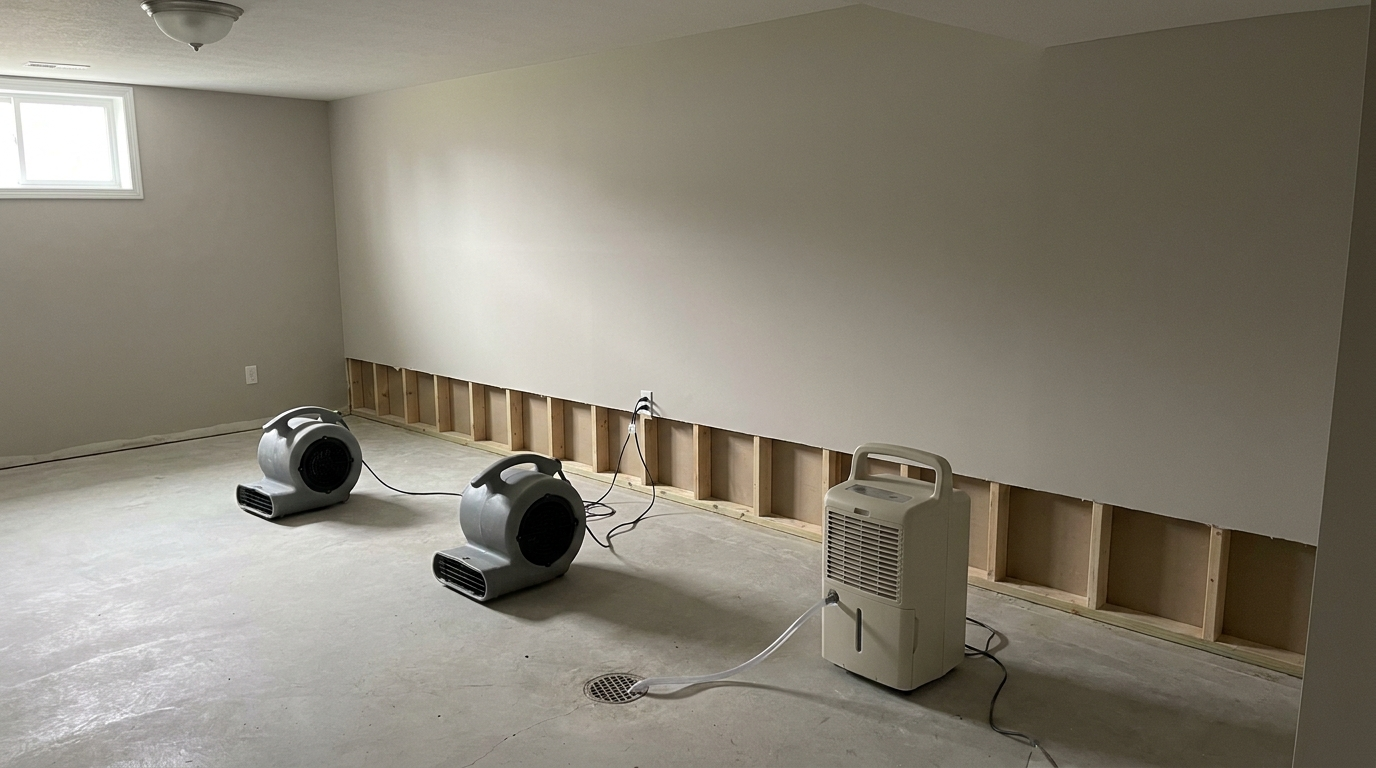
If the readings show a wall was closed while it still read wet, the question may shift from your policy to the drying work itself. That is a contract question, and an attorney can tell you where you stand.
Report new mold as soon as you find it, for the same prompt-notice reason as any loss. Waiting to see whether it spreads makes it harder to tie back to the original water. Our Novi guide covers what an adjuster wants to see on a water damage claim, including moisture readings from the crew that dried it.
What Can You Do if Your Insurer Denies a Mold Claim in Birmingham?
Ask for the denial in writing, with the policy wording it relies on, and read that wording against your own policy. If you still disagree, ask the insurer to reconsider with the evidence you have. If that does not settle it, Michigan's insurance regulator takes complaints, and an attorney can answer the legal questions.
Match the reason in the letter to the question it raises:
Long-term leak or wear and tear. Show it was sudden: the plumber's invoice naming the failed part, the part itself, and photos from the day you found the water.
The mold exclusion. Check whether the mold was hidden inside a wall, under a floor or above a ceiling and came from plumbing, heating, air conditioning, a fire sprinkler system or an appliance, which is the standard form's exception. Then check whether your policy carries a mold limit or a mold endorsement.
A sump pump or a backup. Check whether you carry water backup coverage and what it says about mold.
Flood. Check whether the water rose from outside or backed up through a drain, because a flood policy and water backup coverage answer different questions.
Neglect or late notice. Lay out your timeline: when you found the water or the mold, when you reported it, and when drying started.
Send that evidence to the adjuster with a short written request to reconsider, and keep copies of everything you send.
If you and your insurer still disagree, you can file a consumer complaint with Michigan's Department of Insurance and Financial Services (DIFS), which takes complaints about an unresolved dispute with an insurer. Questions about suing, deadlines or what a court would do belong with an attorney.
Ready to handle this with a pro?
You're reading about The Bottom Line on Mold Coverage in Birmingham. Get a fast quote for water damage restoration service in Oakland County, MI from Response Flood & Fire.
Or call (866) 333-6424
The Bottom Line on Mold Coverage in Birmingham
A homeowners policy usually pays for mold only when it grows out of a sudden, accidental event the policy covers, such as a burst pipe, and mold coverage is often limited even then. Mold from a slow leak likely is not covered.
On the standard form, mold, fungus and wet rot are left out, except mold hidden within the walls or ceilings, beneath the floors or above the ceilings that results from an accidental discharge or overflow of water or steam from a plumbing, heating, air conditioning or automatic fire protective sprinkler system, or a household appliance. A sump pump is outside that exception, and water backup coverage could help with mold after a backup or a sump pump malfunction. After a flood, mold is a flood-policy question, and that policy covers it only in narrow cases.
Keep the drying records, report new mold as soon as you find it, and get any denial in writing.
If you have found mold in a Birmingham home, our line is answered 24 hours a day, 365 days a year, and we are typically on site in about an hour for a free inspection. We work with all insurance companies, and if you have filed a claim, we send our invoice to you and your carrier and ask the carrier to pay us directly.
We cannot file the claim for you, and we cannot promise what a carrier pays. We walk you through the recovery, including the insurance-claim information you need, and financing is available. We also handle water damage restoration in nearby Bloomfield Hills and across Oakland County.
Related Posts
Who Pays for a Sewer Backup in a Ferndale Basement?
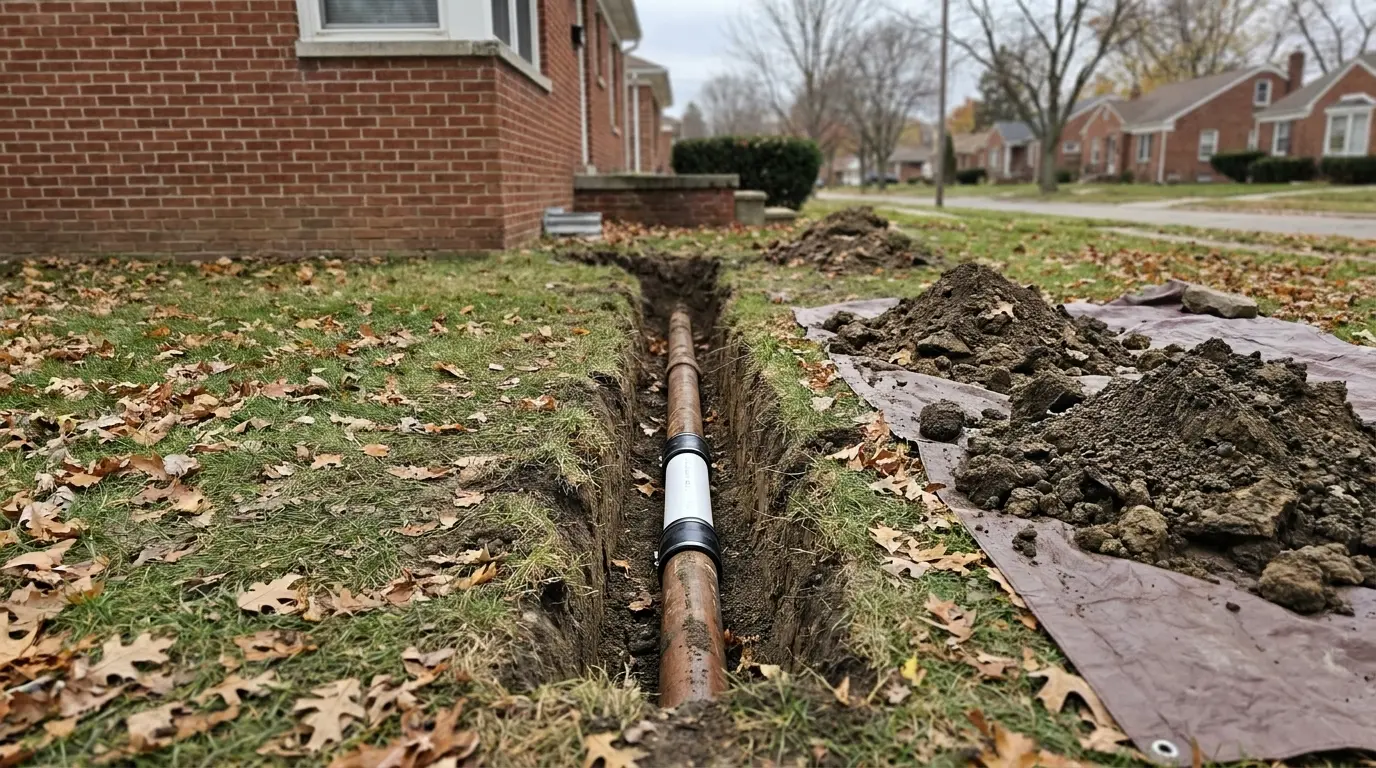
Who pays for a sewer backup in a Ferndale, MI basement: you, your homeowners policy, or the city, and the written notice a city claim needs.
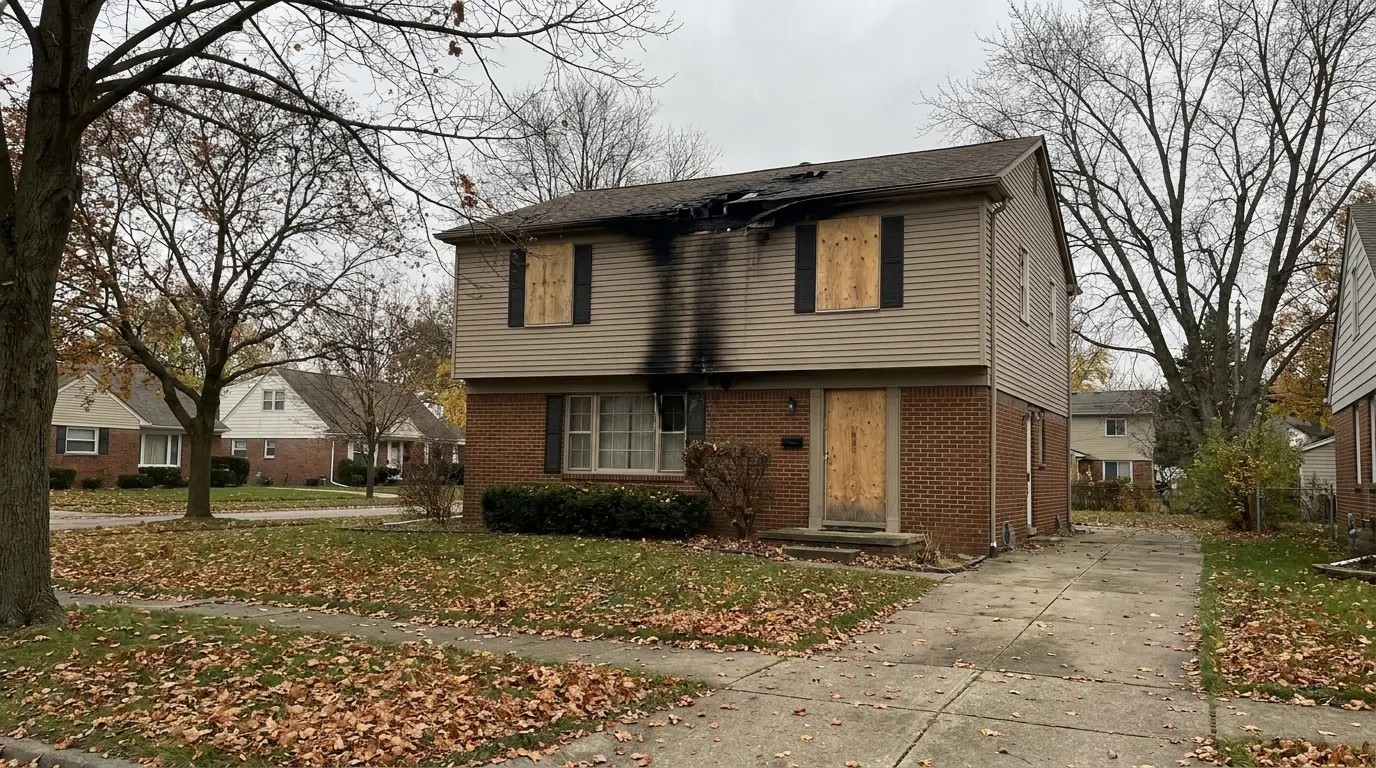
How Does a Fire Insurance Claim Work in Farmington Hills?
How a fire insurance claim works in Farmington Hills, MI: the steps, Michigan's payment deadlines, and when part of a house settlement is held back.
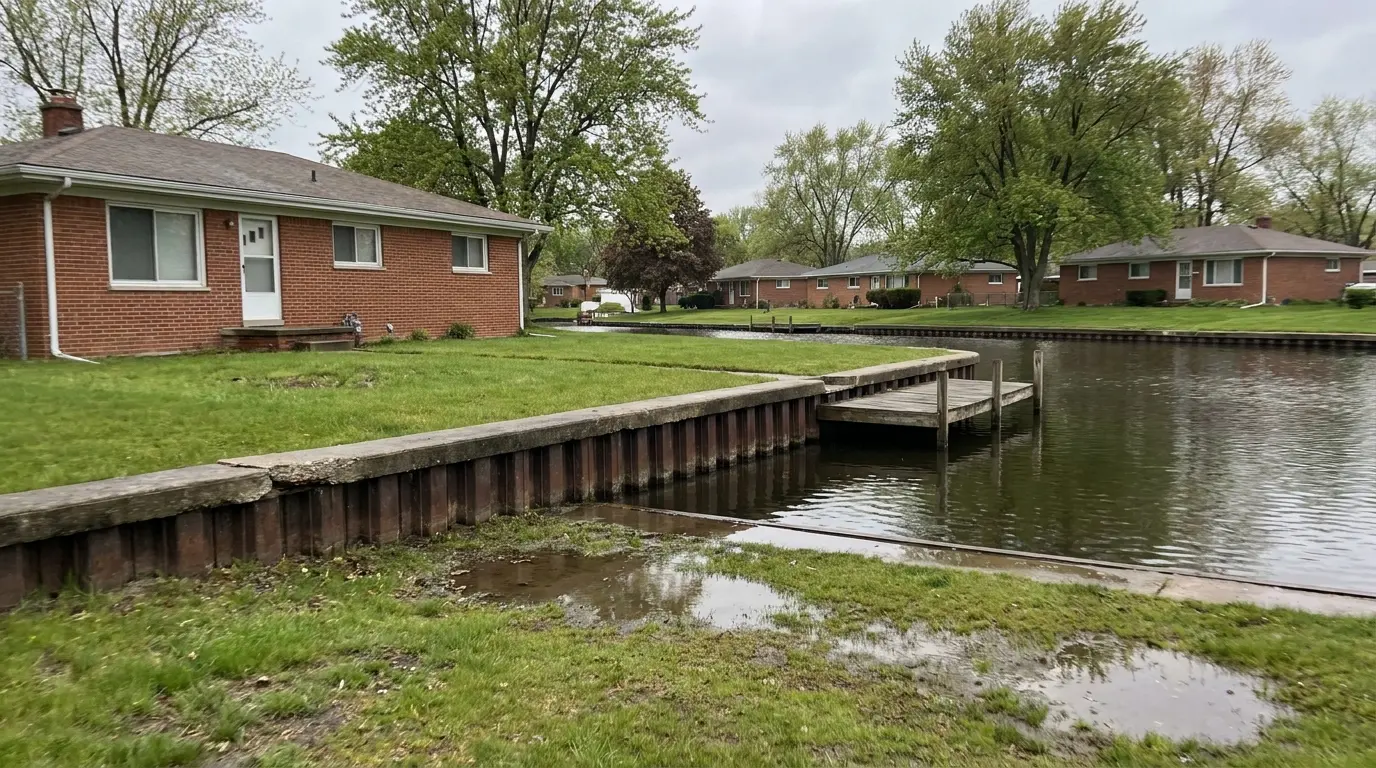
Do You Need Flood Insurance in St. Clair Shores?
Do you need flood insurance in St. Clair Shores, MI? Who has to carry it, what it covers in a basement, floor drain backups and when coverage starts.
Tell us about your Water Damage Restoration needs in Oakland County, MI
Looking for Water Damage Restoration in Oakland County, MI? Tell our team what you need and we will help you understand the next step.
Thank You!
We've received your request and will contact you within 15 minutes during business hours.
Speak with the Response Flood & Fire team now
Call for immediate assistance and service.