
What Do You Throw Out After a Sewer Backup in Detroit?

Ryan Picklo
Ryan Picklo is at Response Flood & Fire, a restoration company in Rochester Hills, Michigan, working across Oakland, Macomb, St. Clair, Wayne and Lapeer counties. The company came out of construction, contracting and cleaning, so they read what water and soot have done behind the drywall rather than only what shows on the surface. Between them they have worked through thousands of insurance claims. He writes here about what actually happens on a restoration job, including the parts the industry would rather not explain.
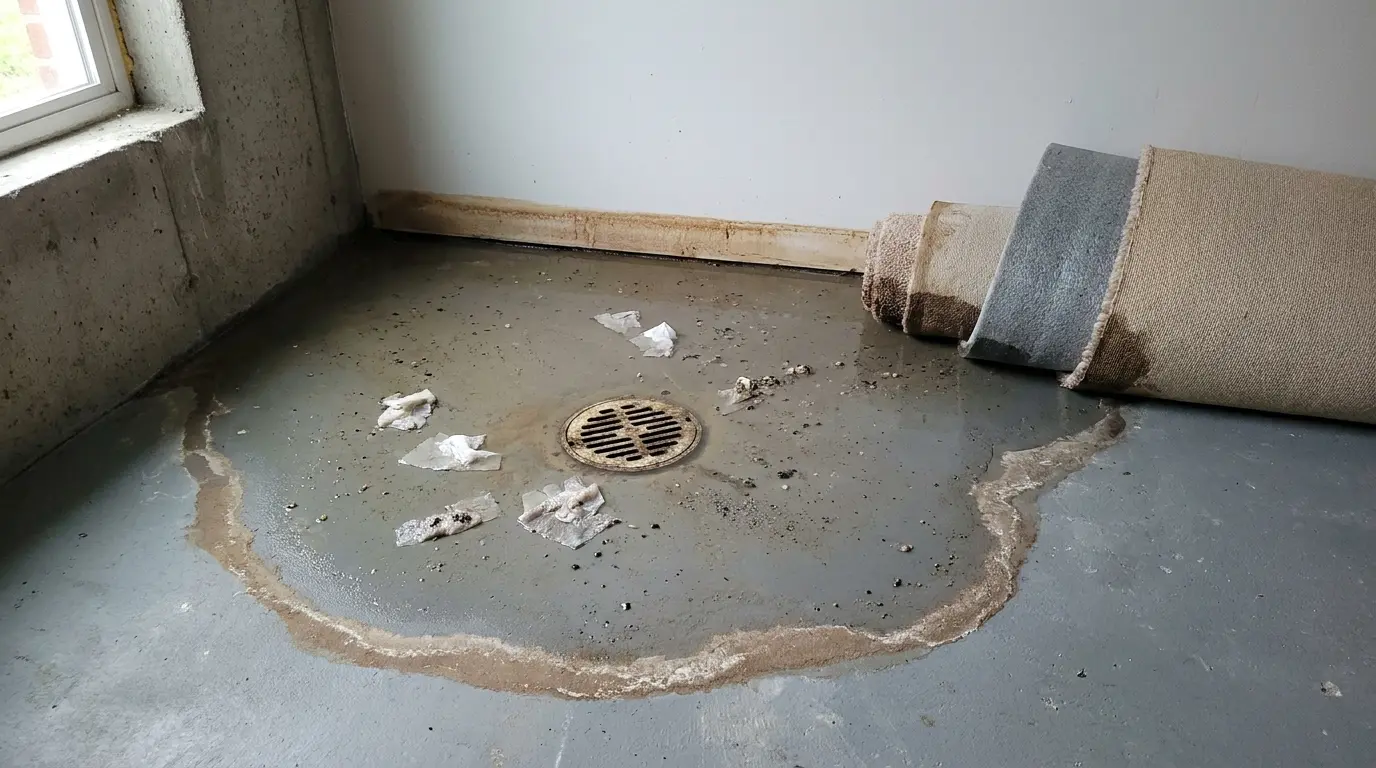
After a sewer backup in Detroit, even one that came with a rainstorm, throw out the soft building materials the sewage soaked. That means carpet and pad, wet drywall and the insulation behind it, and anything else that holds water and can't be washed and dried. Concrete, tile, metal and other hard surfaces can usually be cleaned and kept. Sound wood framing can stay too, once it has been cleaned, disinfected and dried all the way through.
If you'd rather hand it off from the start, our page on sewage cleanup in your basement explains how our crew handles the job.
Ready to handle this with a pro?
You're reading about Is Rainwater From a Sewer Backup in Detroit Still Sewage. Get a fast quote for water damage restoration service in Oakland County, MI from Response Flood & Fire.
Or call (248) 453-7228
Is Rainwater From a Sewer Backup in Detroit Still Sewage?
Yes. In most Detroit neighborhoods, one sewer pipe carries both the sewage from homes and the rain that runs off roofs and streets. Detroit has "primarily a combined sewer system," says the City of Detroit's Basement Backup and Flooding Handbook. The regional system, run by the Great Lakes Water Authority (GLWA), also carries rain and sewer water in the same pipe.
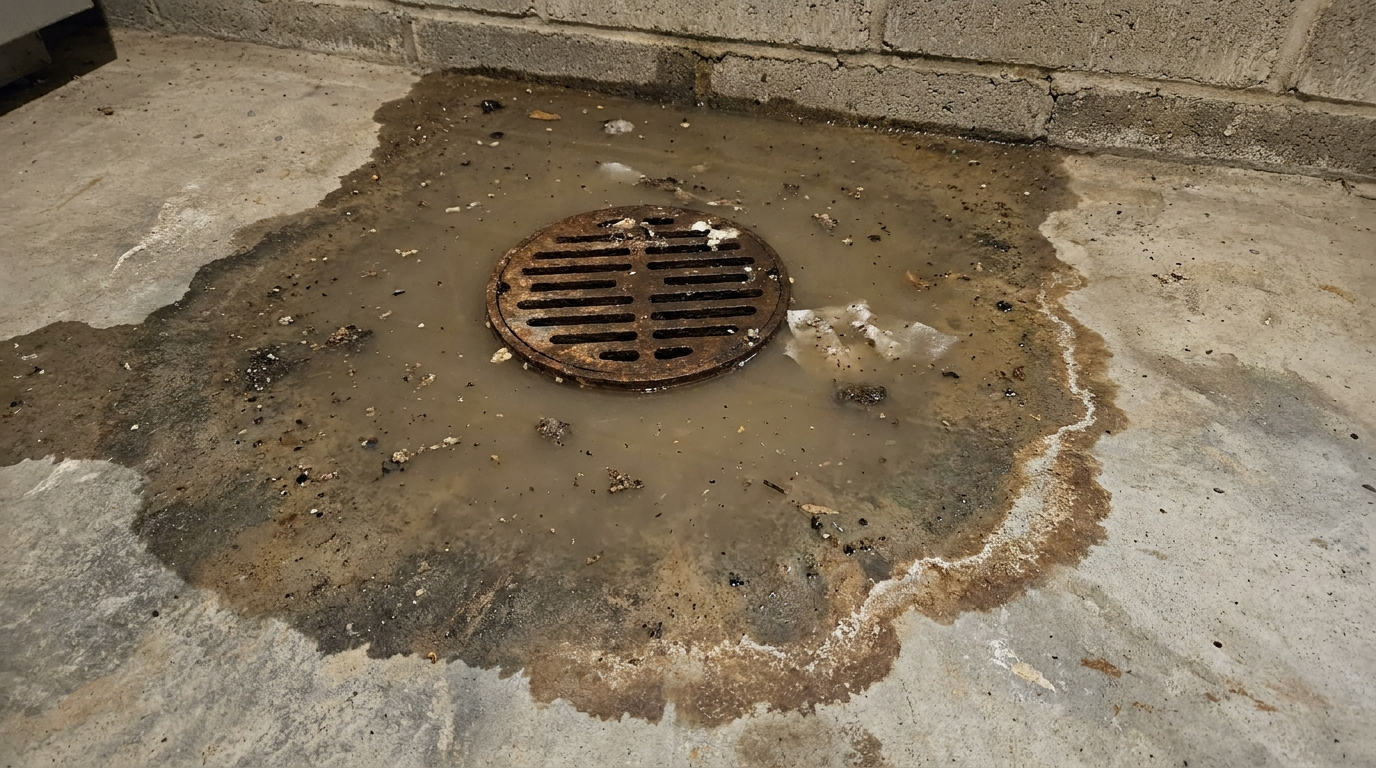
In a heavy rain, that shared system can run out of room. A significant rain can fill it to capacity fast, which raises the risk of flooding and basement backups, GLWA says. Once the sewers are full, the handbook explains, the water can push back into a house through its lowest fixture. That is usually the floor drain, but a basement toilet, shower, sink or laundry tub can let it in too.
So in most of Detroit, water that rises from a floor drain after a storm is not clean rainwater. It came out of a pipe that also carries sewage, so treat it as sewage.
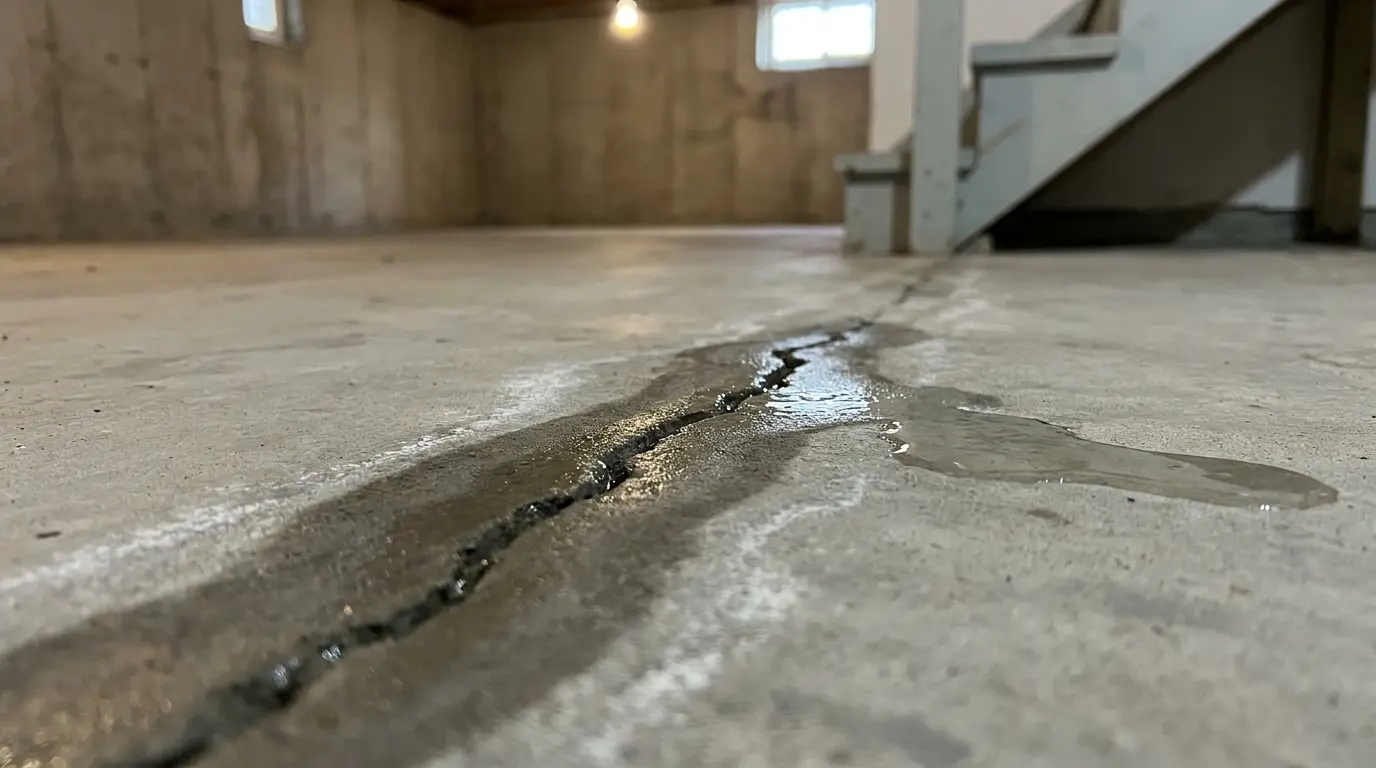
A backup on a dry day is sewage too. A blocked or failed sewer line from the house is a common dry-weather cause, the handbook notes. Then the water on the floor is your own household's wastewater. Groundwater seeping up through a crack in the floor is a different problem with its own fixes.
What Has to Be Torn Out After a Sewer Backup in a Detroit Basement?
The soft, absorbent building materials the sewage soaked have to come out. Sewage brings bacteria and other germs into the house, and soaked porous materials can become a place for them to grow. Drywall and insulation contaminated with sewage have to be removed and thrown away, as CDC's Guidelines for Cleaning Safely After a Disaster direct.
If you smell gas, leave the house before anything else, and don't go back in until you're told it's safe. Before anyone pulls anything out, deal with the power and put on the gear. Keep children and pets out of the affected area until the cleanup is done, as CDC advises. Once the steps in the safety section below are done, take things out in this order:
Carpet and pad. They lie right where the sewage spread. Both are on CDC's throw-away list for anything you can't clean or dry quickly. The tack strip around the edge of the room is porous too, so it goes with them. Whatever was underneath, bare concrete or a wood subfloor, still has to be cleaned and dried. Getting the carpet up first also bares the bottom of every wall, which is where the drywall checks start.
Drywall and the insulation behind it. The painted face of drywall sheds water, but the bottom edge can be bare paper that soaks it up. When wet drywall comes off, the wet insulation behind it goes too. How much comes out depends on how far the sewage and the dampness reached, so no single cut height fits every wall.
Ceiling tile and other soft materials. Ceiling tile that got wet goes too. EPA's water damage table says to discard and replace it, even after clean-water damage. Wall coverings and any other building material that holds a lot of water and can't be washed and dried go as well. That is the sorting rule in EPA's guidance on protecting indoor air and your health after a flood.
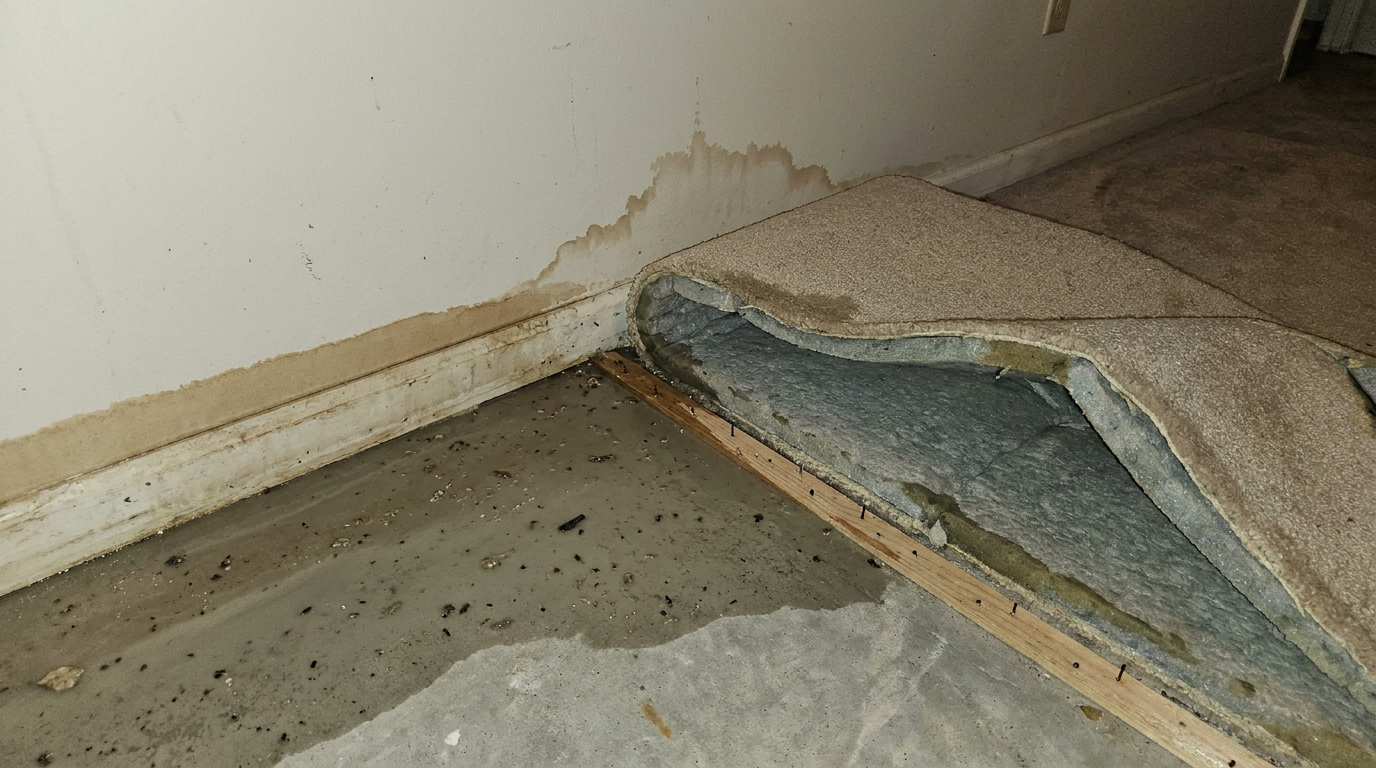
Before any of the torn-out material is thrown away, photograph it and write it down. Then bag soaked material in plastic before it leaves the basement. Our Warren guide covers how to document a flooded basement before you throw anything out. CDC's throw-away list covers belongings you can't clean or dry quickly, like mattresses, upholstered furniture and books, but a specialist may restore something precious.
In Detroit, 95% of single-family homes were built before 1980, according to the City of Detroit's April 2024 Housing Market Study. Building materials in older homes may contain asbestos or lead, EPA warns. In a house that age, have suspect materials checked before anyone cuts, sands or pulls them out. For asbestos, start with our page on handling asbestos in a home.
What Can Be Cleaned and Kept After a Detroit Sewer Backup?
Hard surfaces that don't soak up water can usually be cleaned and kept, under the same EPA rule. That covers most of what is left once the soft materials are out:
Concrete floors and walls, washed with hot water and detergent
Ceramic tile, vinyl and other hard flooring, after a check at the edges
Metal and plastic surfaces
Sinks, toilets and other plumbing fixtures, plus countertops
Wash before you disinfect. Make the first pass gentle, with a cloth dampened with clean water and detergent, so less gets stirred into the air. A disinfectant can't do its job on a dirty surface. Many also aren't made for materials that absorb water, like fabric or unfinished wood, EPA notes. That is why spraying bleach on soaked carpet or drywall won't make it safe to keep.
Open windows and doors before you use bleach or another sanitizer indoors, as CDC advises. Never mix cleaning products or add bleach to other chemicals, because EPA warns the mix can give off toxic vapors. Follow the product label, including how long it has to stay wet on the surface.
Wood framing sits in between. Studs and the wood plate along the floor are cleaned and disinfected with a product whose label covers bare wood, or they are replaced. Either way, the wall stays open until the wood is dry inside. Don't close up a flooded wall cavity, or paint anything that got wet, until it is completely dry inside, EPA advises. A moisture meter tells you when that is: EPA's mark is a reading of 15% or less before walls, cabinets and floors are refinished. That reading shows the wood is dry, not that it is clean.
When sewage comes up through a floor drain and spreads across the floor, the damage sits low, and so do the key checks. Look hardest at the bottom plate of every wall the water reached. Check the edges of any tile or vinyl too. Sewage can creep in there and get trapped underneath, and a moisture meter can pick that up.
Hardwood and cabinets are judgment calls that depend on what got wet and for how long, so get them checked first.
Ready to handle this with a pro?
You're reading about Is It Safe to Pull Up Sewage-Soaked Carpet Yourself in Detroit. Get a fast quote for water damage restoration service in Oakland County, MI from Response Flood & Fire.
Or call (248) 453-7228
Is It Safe to Pull Up Sewage-Soaked Carpet Yourself in Detroit?
It can be, if a healthy adult does it in the right gear and the power is dealt with first. Some people in the house should stay out of the job entirely.
Children and pregnant people should stay out of cleanup work after a flood, EPA advises. So should anyone with asthma or another breathing problem, or with a weakened immune system. If you have health questions, talk to your doctor before you start.
If you smell gas or suspect a leak, leave the house right away and call emergency authorities, as CDC advises. Don't turn on lights or do anything that could cause a spark, and don't go back in until you're told it's safe.
Deal with the power before anyone steps in. If outlets, cords or appliances are wet or near the water, shut off the main breaker, but only from a dry spot. If reaching the panel means standing in water, call an electrician to shut it off. Never touch a switch, plug or power tool while you're standing in water. Have an electrician check the wiring before the power goes back on, as CDC's safety guidelines for reentering a flooded home advise.
For the work itself, wear the gear EPA lists for cleanup after a flood:
Goggles without vent holes
An N-95 respirator
Gloves and boots, both rubber, as CDC advises when sewage is involved
Long pants and a long-sleeved shirt
Hold off on fans. EPA's table on water damage cleanup and mold prevention says not to use them until you have determined the water is clean or sanitary. While anyone is cleaning, open doors and windows if you can to let in fresh air, as EPA advises.
Soaked carpet and pad are heavy. Move heavy or bulky pieces in teams of at least two, with no one lifting more than 50 pounds, as CDC advises. Keep food and drinks out of the basement, since eating or drinking anything floodwater touched can make you sick. If you have a cut or sore that could touch the water, wash it with soap and put on an antibiotic ointment. Get medical care right away if you are hurt or get sick. When you finish, wash up with soap and water. Wash your work clothes in hot water and detergent, apart from the rest of the laundry.
Who Should Handle Sewer Backup Tear-Out in a Detroit Basement?
Bring in an experienced crew when any of these is true:
Sewage soaked into drywall or insulation, so walls have to be opened up and the framing cleaned and dried.
Everyone at home falls in one of the groups that should stay out of the work.
Your furnace or ductwork sat in the water. Don't run it to dry the house, since EPA says cleaning a flood-affected heating system is a job for a professional. Leave it off until then.
You can't get everything cleaned and dried within 24 to 48 hours, the window CDC gives for heading off mold.
EPA's water damage table, written for clean water, says to consult an experienced professional about contaminated water if you lack that experience. If hiring a crew is not possible, EPA says "a professional inspector may be able to help you decide when you've cleaned up enough."
If the backup started in the sewer line from your house, that line is a job for a plumber. The City's handbook suggests having one assess it. Fixing the line and clearing out the basement are separate jobs.
Whoever you hire, ask about their training and experience and check references. Before any wall is closed up, ask to see the moisture readings. Our founders came from construction, contracting and cleaning. We take a job from cleanup through rebuild, and we walk you through the recovery, including information for your insurance claim. For who pays, and the written notice a claim against a city needs, see our guide on who pays for a sewer backup.
The Bottom Line on Sewer Backup Tear-Out in Detroit
Before the first piece of carpet comes up, settle who is doing the tear-out, you or a crew.
When you want help, a person answers our phone at any hour, every day of the year. If your home is in Oakland County, start with our page on water damage help in Oakland County.
Related Posts
Why Is Water Coming Up Through My Basement Floor in Michigan?
Water coming up through a Michigan basement floor can be groundwater, a sump pump that quit, a plumbing leak or a backed-up floor drain. The cause decides who fixes it, but the standing water needs to come out fast.
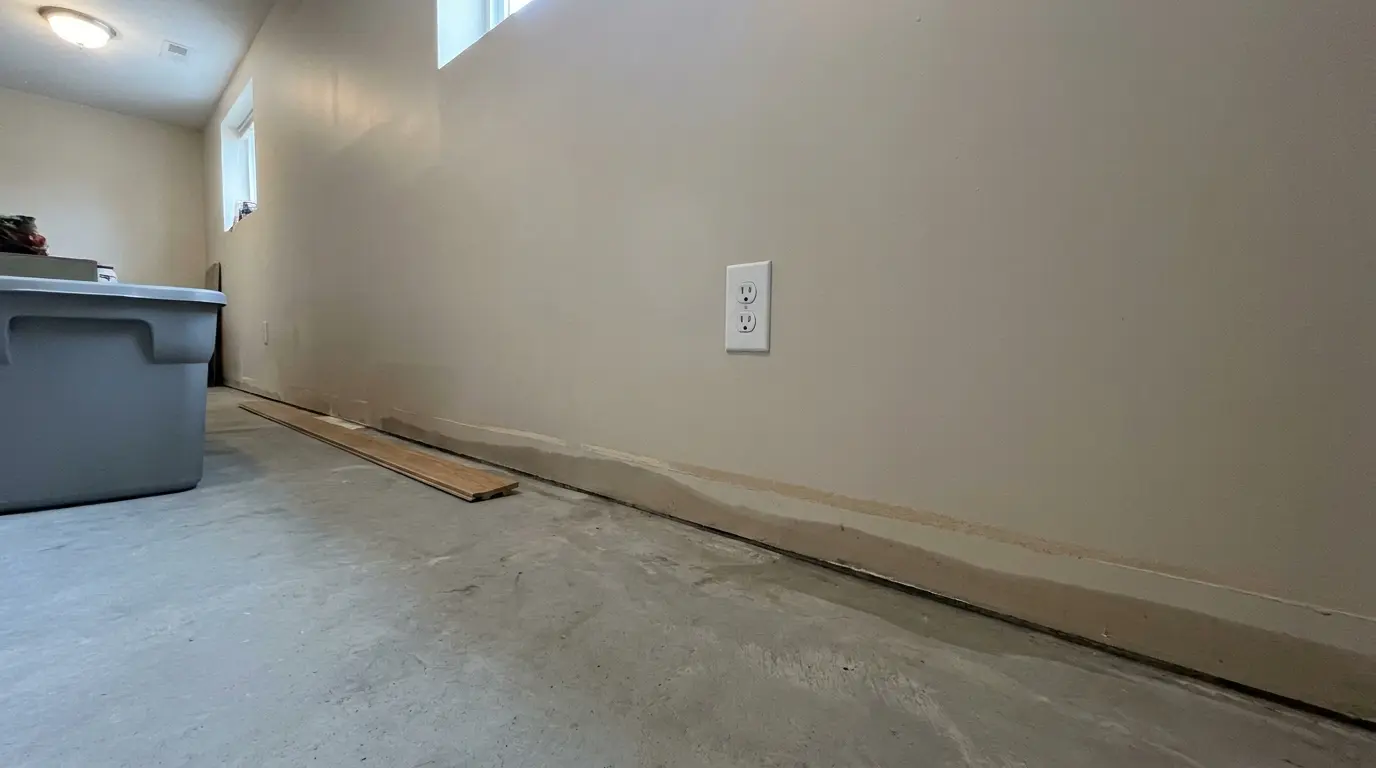
Can Water-Damaged Basement Drywall Be Saved in Michigan?
Wet basement drywall can be saved only if the leak is stopped, the water was clean, it dries fast and the board stays firm. Sewage, floodwater or wet insulation behind it means the wall comes out.
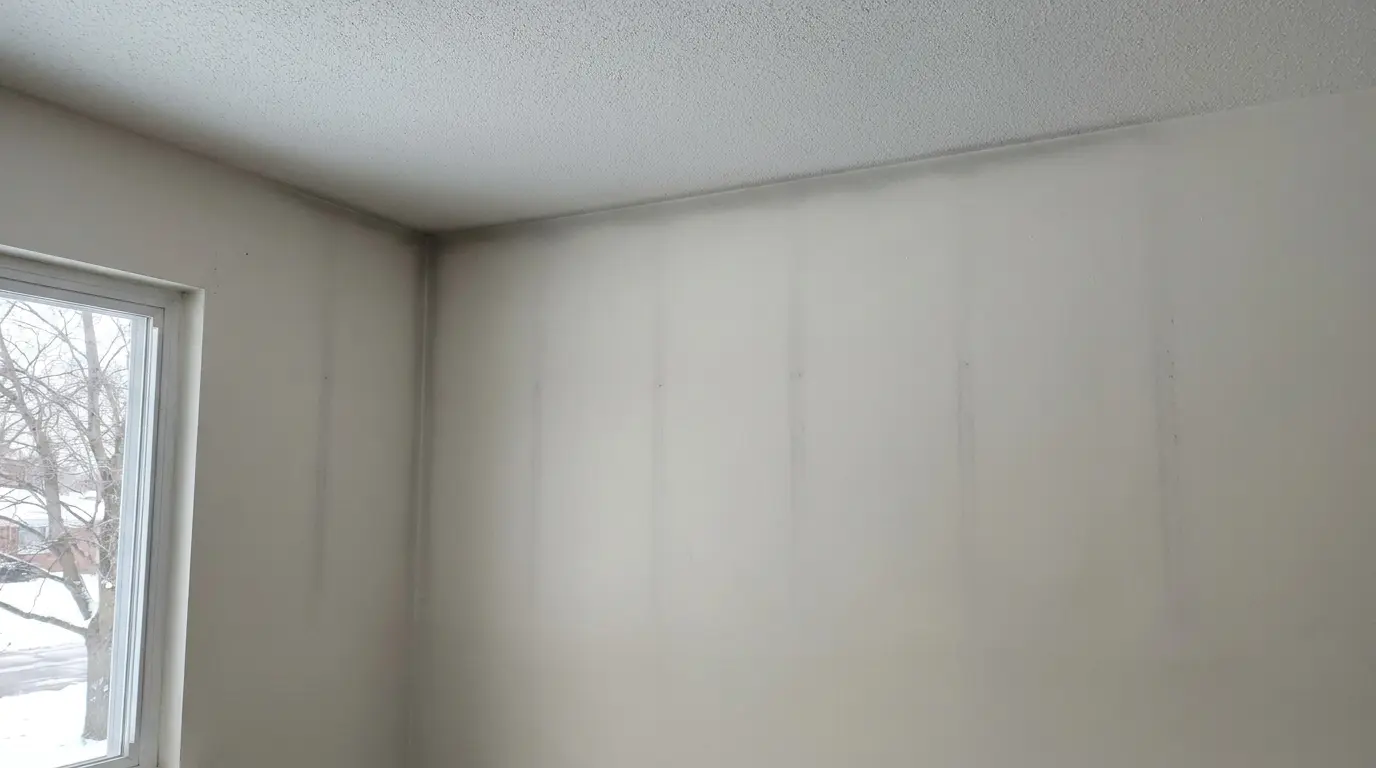
What Causes Black Soot on Walls in a Detroit Home in Winter?
In a Detroit winter, black soot on walls with no fire behind it comes from something indoors burning dirty. Ghosting and candle soot clean up, but soot at the furnace or heating vents needs a heating technician first.
Tell us about your Water Damage Restoration needs in Oakland County, MI
Looking for Water Damage Restoration in Oakland County, MI? Tell our team what you need and we will help you understand the next step.
Thank You!
We've received your request and will contact you within 15 minutes during business hours.
Speak with the Response Flood & Fire team now
Call for immediate assistance and service.