
Can Water-Damaged Basement Drywall Be Saved in Michigan?

Ryan Picklo
Ryan Picklo is at Response Flood & Fire, a restoration company in Rochester Hills, Michigan, working across Oakland, Macomb, St. Clair, Wayne and Lapeer counties. The company came out of construction, contracting and cleaning, so they read what water and soot have done behind the drywall rather than only what shows on the surface. Between them they have worked through thousands of insurance claims. He writes here about what actually happens on a restoration job, including the parts the industry would rather not explain.
Sometimes, yes. Basement drywall can be dried and kept when every one of these is true:
The leak has been found and stopped.
The water was clean.
The board can dry all the way through before mold starts.
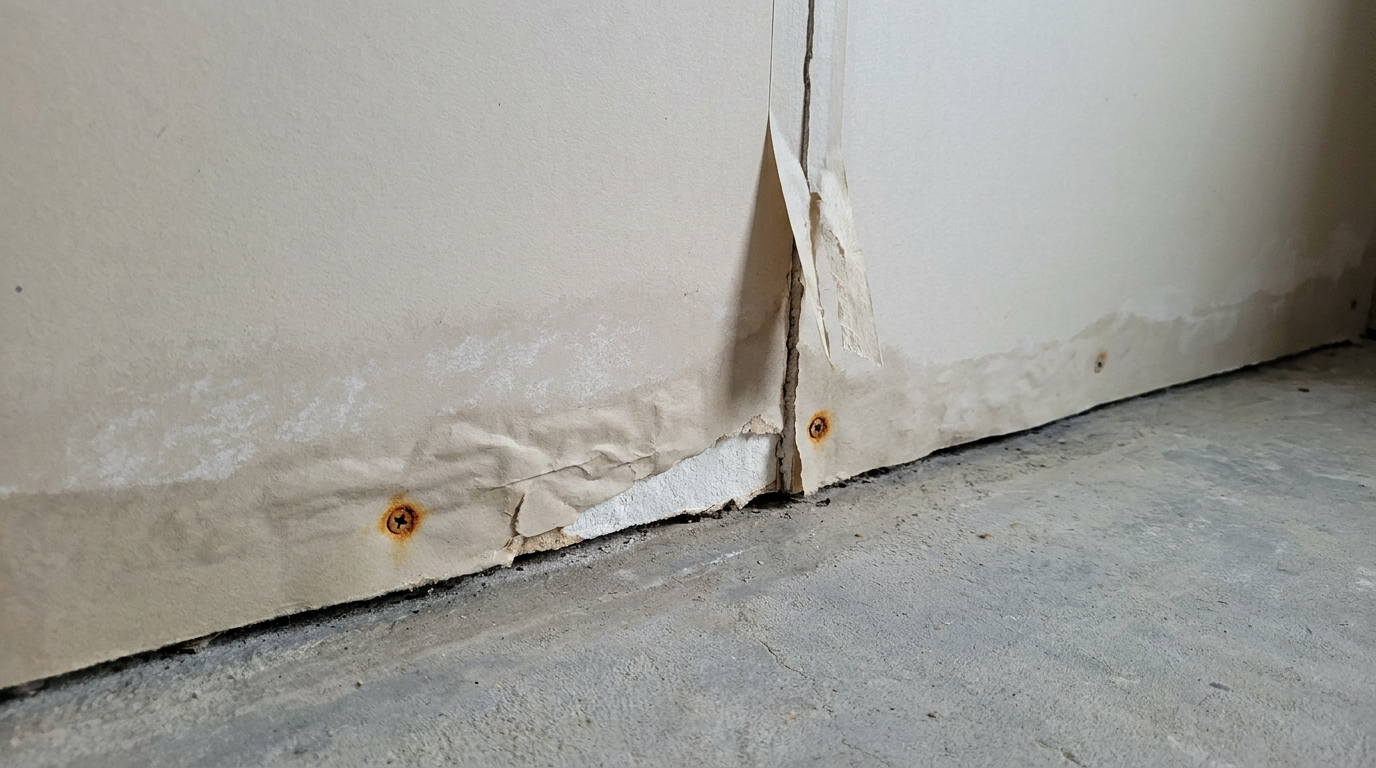
It is still structurally sound, with no rusty screws or nails, no paper peeling off and no other damage.
If any one of them fails, or you cannot tell, replace it. These checks come from Gypsum Association GA-231, the drywall makers' guide to water-damaged board.
When the board has to go, our water damage repair crews replace it, along with anything soaked behind it. If water is still standing on the floor, start with our Warren guide to what to do first after a basement flood.
Ready to handle this with a pro?
You're reading about Why Is Basement Drywall a Bigger Water Risk in Michigan Than in Most States. Get a fast quote for water damage restoration service in Oakland County, MI from Response Flood & Fire.
Or call (248) 453-7228
Why Is Basement Drywall a Bigger Water Risk in Michigan Than in Most States?
Basements are far more common in this part of the country, and a basement wall is the lowest finished wall in a house. In 2025, 43.0% of new single-family homes started in the Census division that includes Michigan had a full or partial basement. The national share was 16.4%, according to the National Association of Home Builders' analysis of Census Survey of Construction data.
Water runs downhill, so a basement is where the water from a burst pipe, a sewer backup or seepage through the foundation collects. In a finished basement, that puts the bottom of the drywall, and the insulation behind it, right in the water's path. So after any basement leak, the bottom edge of the board and whatever sits behind it are the first places to check.
How Do You Tell If Wet Basement Drywall Can Be Saved in Michigan?
Where Did the Water Come From, and Has It Stopped?
Clean water from a supply line, such as a burst pipe or a leaking water heater, can leave drywall worth saving. Sewage and floodwater cannot. Drywall and insulation contaminated with either one should be removed and thrown out (CDC).
Floodwater can bring sewage from sewer lines or septic systems into a basement, the Michigan Department of Health and Human Services warns. If sewage reached the wall, the drywall is one piece of a larger job, covered on our page about cleaning up after a sewage backup.
Water that seeps in during a storm is harder to judge. Heavy rain has been frequent in Southeast Michigan over the last decade (Planet Detroit). Storm water can come in through the basement walls, or rise when a sump pump falls behind. If you cannot be sure it was clean, plan on replacing the board. Whatever the source, it has to be fixed before drying starts, or the wall just gets wet again.
How Long Has the Board Been Wet?
Mold can grow on drywall wet for more than 24 hours (EPA). After a flood, Michigan State University Extension says porous material wet that long, drywall included, may need to go. So past that point, have the board checked for mold before deciding. Count from when the water first reached the wall, not from when you found it.
Is the Board Swollen, or Are the Seams Open?
For clean water, EPA's water damage cleanup table lets drywall dry in place only if it has no obvious swelling and its seams are intact. If not, it comes out and gets replaced.
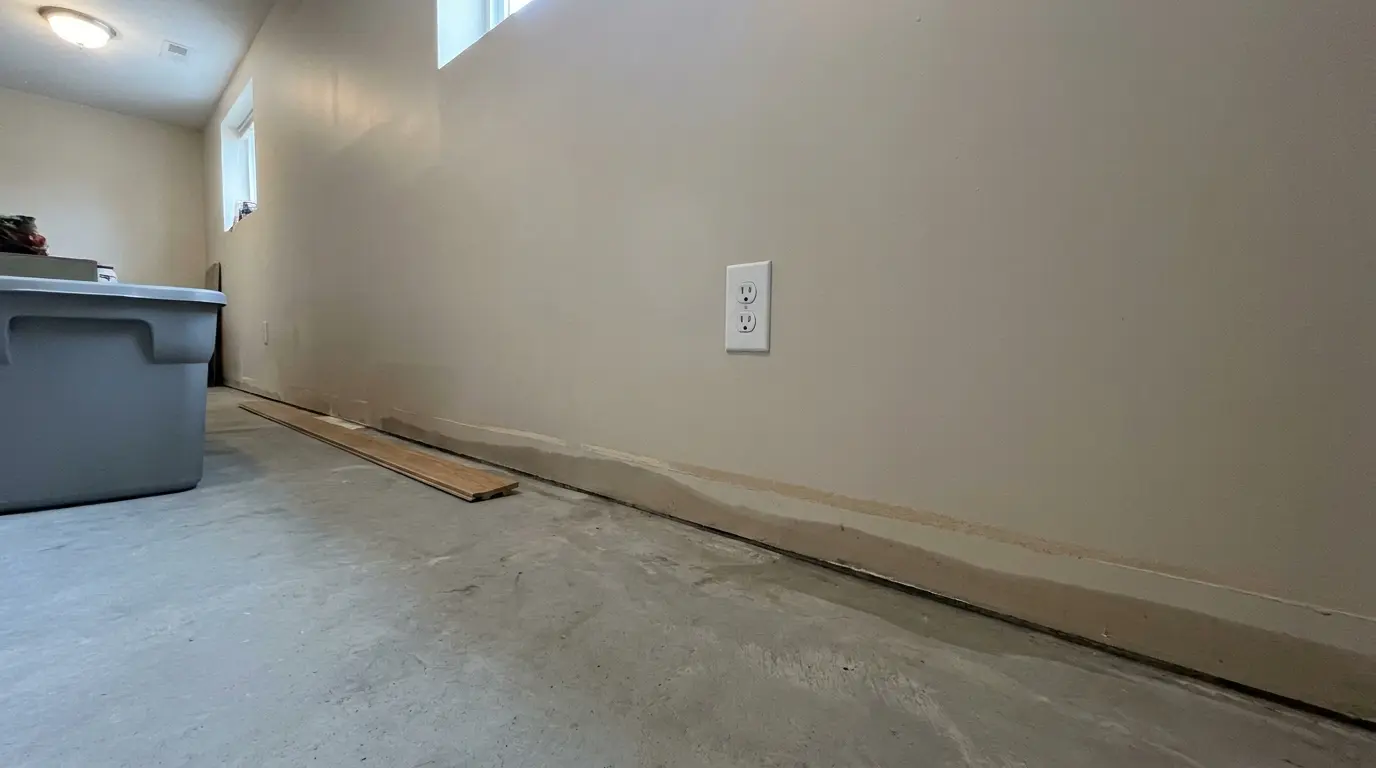
Sight along the bottom of the wall from one end. Swollen board bulges or ripples, and an open seam shows up as a crack or lifted tape along a joint.
Is It Still Firm?
Drywall that stays wet too long turns fragile. Board that has gone soft, crumbles at the bottom edge, sags or has its paper face peeling off the gypsum core has lost its strength. Rust on the screw or nail heads counts against it too.
Any one of these means replace. Board that is damp but still firm, flat and tight at the seams is the kind worth drying.
What Does a Moisture Meter Say?
A moisture meter helps, as long as you read it as a comparison, not a score. Hand-held meters have not been shown to give an accurate moisture percentage on drywall, but they can show which areas are noticeably wetter than others. A meter set for wood will not read drywall accurately, and even a drywall setting is best used for comparing.
Take a reading on a wall you know stayed dry. Then work across and up the wet wall until the readings match the dry one. That shows you where the wet area ends.
Is the Insulation Behind It Wet?
You cannot see insulation through a finished wall, yet it often settles the question. The same EPA table says wet fiberglass and cellulose insulation should be thrown out and replaced, and pulling it out means opening the wall.
Wet insulation also holds moisture against the back of the board and keeps it from drying. Some finished basement walls have a plastic sheet behind the board, and it can trap water against the studs. A low patch that keeps reading wetter than your dry wall is the sign the wall needs to be opened.
How Far Up Do Michigan Restoration Crews Cut Wet Drywall?
The right height changes from wall to wall. The cut belongs above the highest point where the board is still wet, and that point can sit higher than the water ever rose. Drywall pulls water upward like a sponge, past the flood line, as the University of Michigan's guideline on repairing water-damaged walls notes.
So the water line on the wall is where the search starts, not where the saw goes. The meter comparison described above helps show how high the wet board goes. Cutting too low leaves wet board in the wall, and cutting far higher than needed only adds to the rebuild. Once the wall is open, the back of the board and the insulation show what the face could not.
Practical limits move the line too. A cut that clears the outlets, or opens enough wall to pull wet insulation and let the cavity dry, can make the job simpler. So walls in the same basement can end up cut at different heights. A height named before anyone takes a reading is a guess, and it is fair to ask to see the readings that set the line.
Ready to handle this with a pro?
You're reading about Should Michigan Homeowners Dry Wet Drywall in Place or Open the Wall. Get a fast quote for water damage restoration service in Oakland County, MI from Response Flood & Fire.
Or call (248) 453-7228
Should Michigan Homeowners Dry Wet Drywall in Place or Open the Wall?
Both choices below are for clean water only. If the water was not clean or you are not sure, skip ahead to the section on when wet drywall needs more than fans. Stop and go there too if you open the wall and find wet insulation behind it.
With clean water, drying in place saves the finish and the rebuild. Its risk is the part you cannot see: a wall can feel dry on the face and still be wet inside.
Opening the wall trades that risk for work you can see. Air reaches the studs, which can stay if they dry properly, and anything growing behind the board comes to light. The cost is rebuilding that section with new board, tape, paint and trim.
For example, say a supply line leaks behind a finished wall and you catch it the same day. If the board is still flat and firm, it is a fair candidate for drying.
First, Make the Basement Safe to Work In
If water reached outlets, cords or wiring, shut the power off at the main breaker or fuse box, but only from a dry spot. If reaching the panel means standing in water, have an electrician shut it off instead. Leave it off until an electrician has checked the wet wiring, and never plug in, unplug or switch on anything while standing in water.
If You Dry It in Place
Start fans only once you know the water was clean, and skip them where mold is already growing, since moving air can spread it.
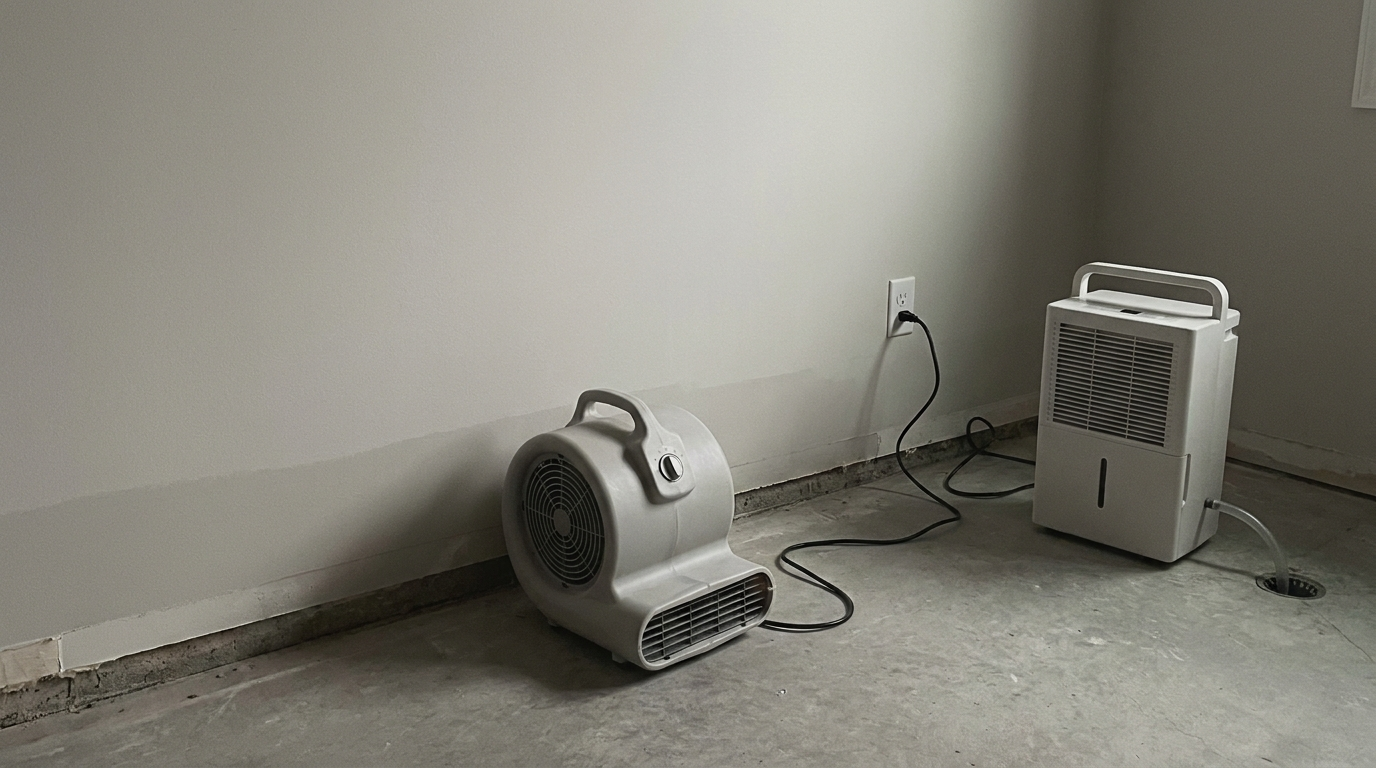
Take the baseboard off so air can get to the base of the wall and, where possible, the cavity behind it. Open the doors to the room and any closets to keep air moving.
Bring the humidity down with a dehumidifier and fans. Open windows only when the outdoor air is drier than the air inside. On a cold Michigan day, keep them shut.
Do not use the furnace or central air to help dry the room if any part of that system took on water. Have a professional check it first.
Then give it time. Drying out a house after a flood usually takes several days to weeks, EPA says. Keep the air moving and the dehumidifier running even after the wall looks dry. Until it is dry on the inside, do not paint or seal it. Once it is, look the board over one last time for damage before you repaint.
If You Open the Wall
Gear up before cutting. For cleanup after a flood, EPA lists gloves, an N-95 respirator, goggles without vent holes, long sleeves and pants, and boots or work shoes.
Before any cut, switch off the breakers that feed that wall, standing on a dry floor. Wiring usually runs at about the height of the outlets, and a closed wall hides exactly where. If you cannot tell which breakers feed the wall or what runs inside it, leave the opening to an electrician or a crew.
Older homes may also hide asbestos or lead in their building materials. In an older home, leave testing those materials to a professional, and do it before the wall is opened.
If the basement could take on water again, rebuild that section with water-resistant materials, as FEMA's guide to mold in flood-damaged homes recommends. Waterproof wallboard is on its list.
When Does Wet Drywall in a Michigan Home Need More Than Fans?
Fans and a dehumidifier suit clean water, sound board and dry insulation. Bring in a crew when any of these is true:
The water was sewage, floodwater or anything you cannot vouch for. That calls for protective gear, containment and someone experienced with contaminated water.
The insulation behind the board is wet, or the damage runs well past a small patch. Board and insulation come out, and the framing has to dry before anything goes back.
Mold is showing on the board, or the room still smells musty after the water is gone.
Someone helping has asthma or a weakened immune system, or is pregnant or a child. After a flood, EPA says they should stay out of the cleanup.
Who pays for new drywall depends on what caused the water and on your policy's wording, and your insurer makes that call. Photograph the wall and the water line before any board comes out. We work with all insurance companies and walk you through each step of the recovery, claim information included. Only you, as the policyholder, can file the claim.
If mold turns up, our guide to homeowners insurance and mold explains when a policy covers it.
The Bottom Line on Water-Damaged Drywall in Michigan
If you would like a second set of eyes on the wall, a person answers our phone at any hour, every day of the year. We typically arrive in about an hour, and the first visit is a free inspection. Our founders came from construction, contracting and cleaning, and we take a wet wall from cleanup through rebuild.
When a claim is involved, our invoice goes to both you and your carrier, and we ask the carrier to pay us directly. Financing is available, and our crews handle water damage across Oakland County and nearby communities.
Related Posts
Why Is Water Coming Up Through My Basement Floor in Michigan?
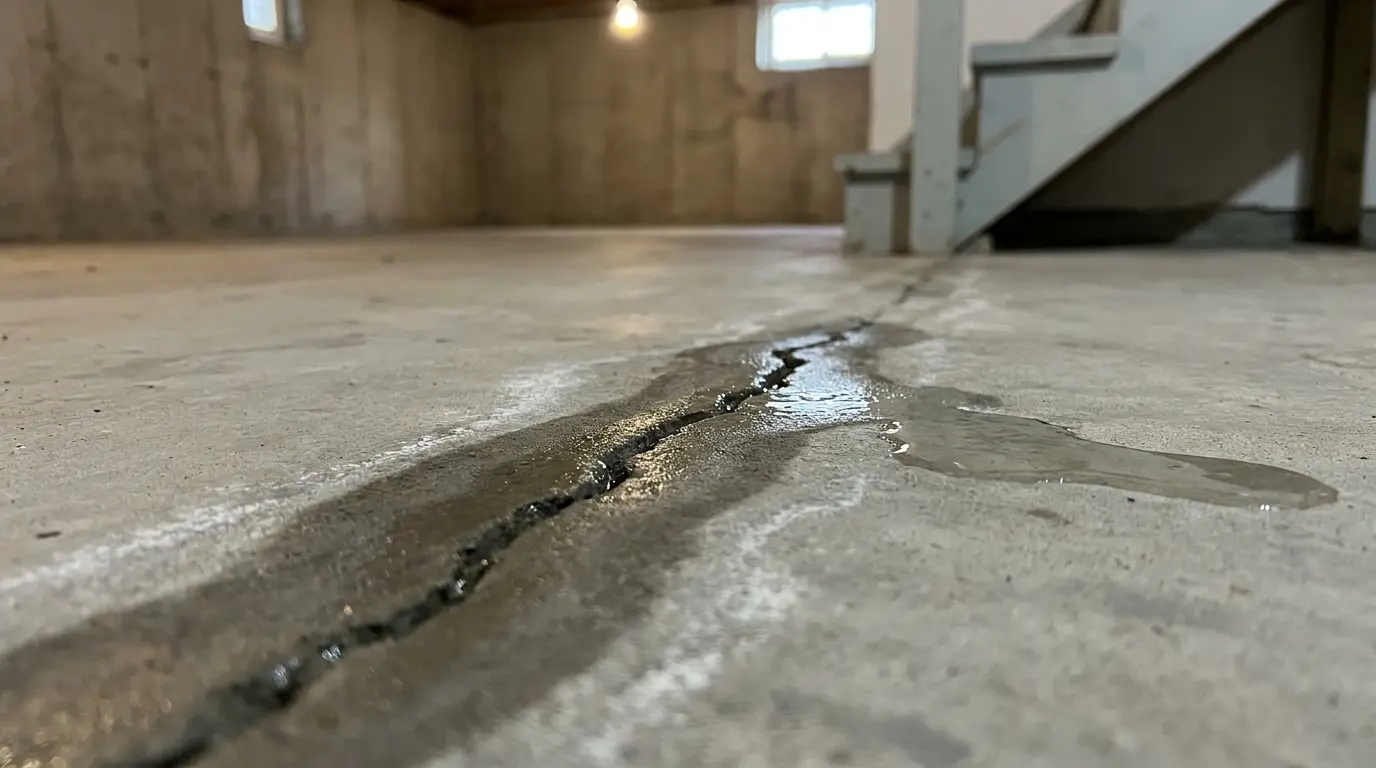
Water coming up through a Michigan basement floor can be groundwater, a sump pump that quit, a plumbing leak or a backed-up floor drain. The cause decides who fixes it, but the standing water needs to come out fast.
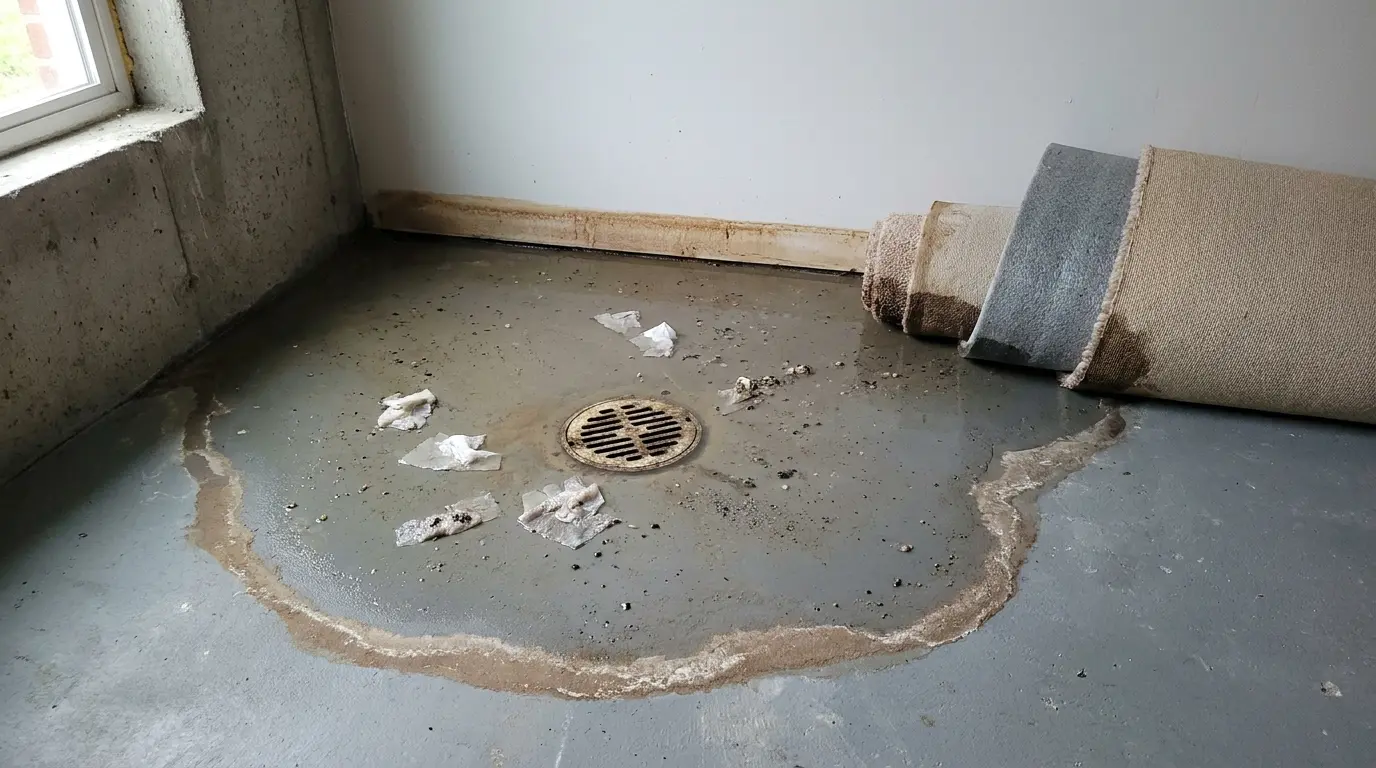
What Do You Throw Out After a Sewer Backup in Detroit?
After a sewer backup in Detroit, soaked carpet, pad, drywall and insulation go, while concrete, tile and metal can usually be cleaned and kept. In most of the city, a storm-day backup is sewage too.
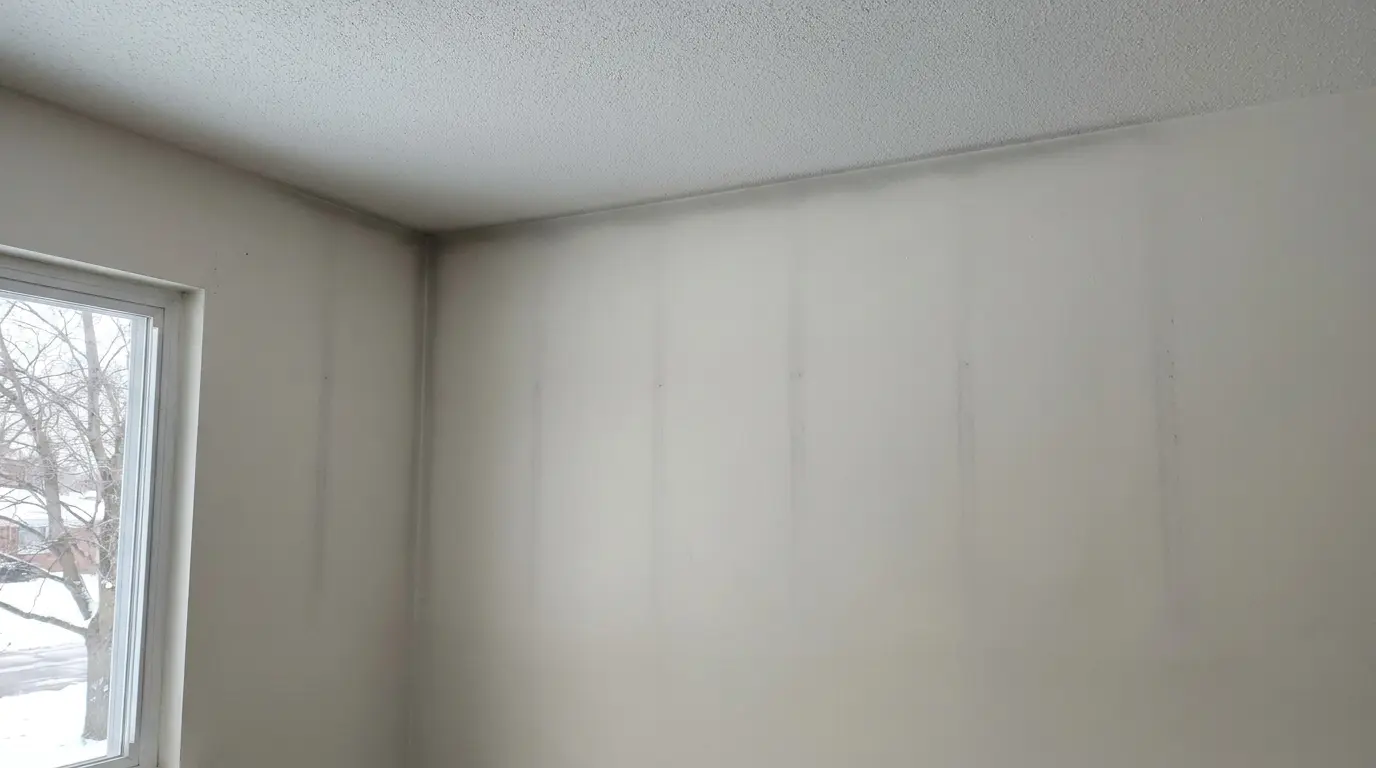
What Causes Black Soot on Walls in a Detroit Home in Winter?
In a Detroit winter, black soot on walls with no fire behind it comes from something indoors burning dirty. Ghosting and candle soot clean up, but soot at the furnace or heating vents needs a heating technician first.
Tell us about your Water Damage Restoration needs in Oakland County, MI
Looking for Water Damage Restoration in Oakland County, MI? Tell our team what you need and we will help you understand the next step.
Thank You!
We've received your request and will contact you within 15 minutes during business hours.
Speak with the Response Flood & Fire team now
Call for immediate assistance and service.